
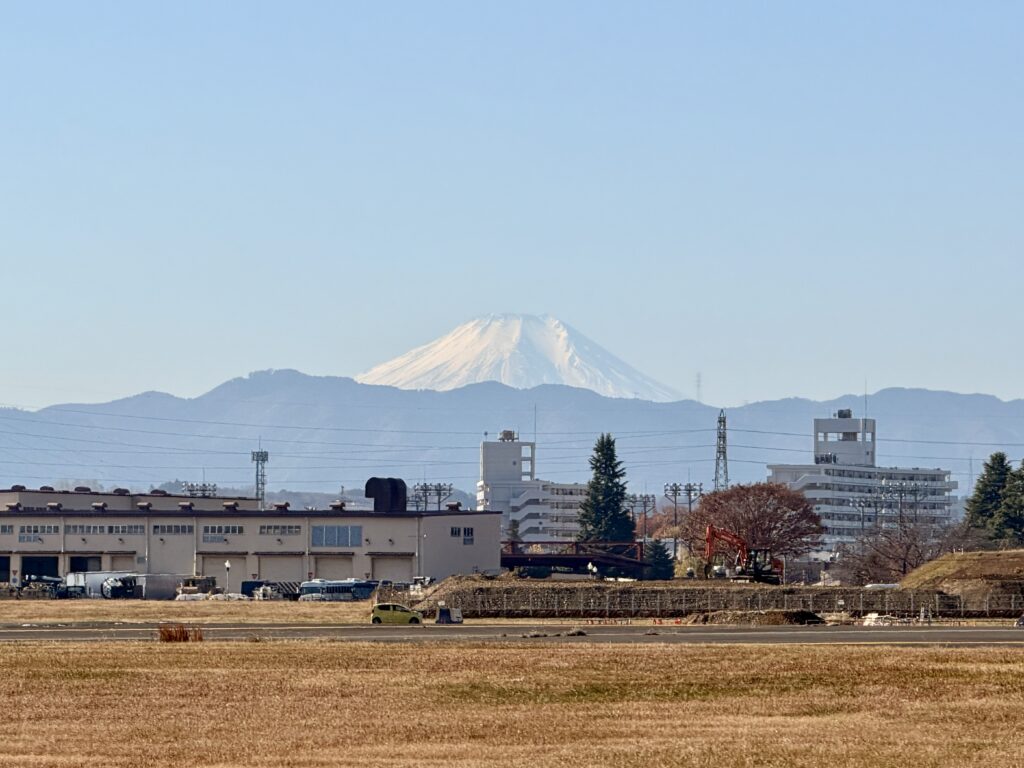
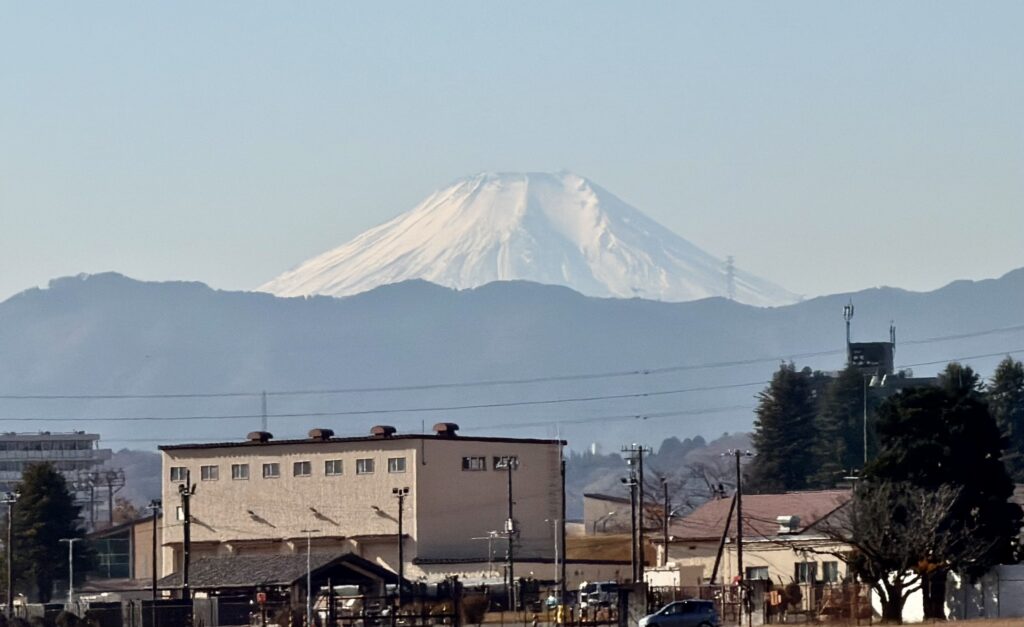
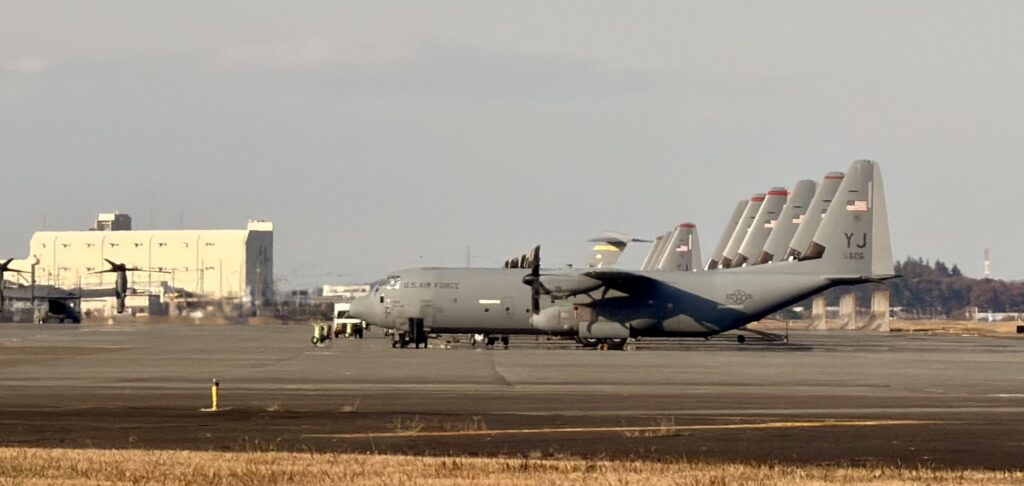
After a fun-filled 3 1/2 weeks in Australia and New Zealand, we took an overnight flight from Sydney to Tokyo (about 10 hours), landing at Haneda airport around 5am. We took a train then a bus over to our hotel – the New Sanno – to drop off our bags then we got some breakfast at a convenience store and got on a train out to Fussa to visit a friend at Yokota Air Base. That visit was partly to visit her and partly to show Chris around my old haunts – and Ashley was kind enough to pick us up at the train station and drive us around for the day. We stopped by the Bx (to buy Chris a replacement rain jacket for the one that got lost in Queenstown) and the hospital first and on the way across the flight line got an awesome view of Mt Fuji – the first of many for this trip!
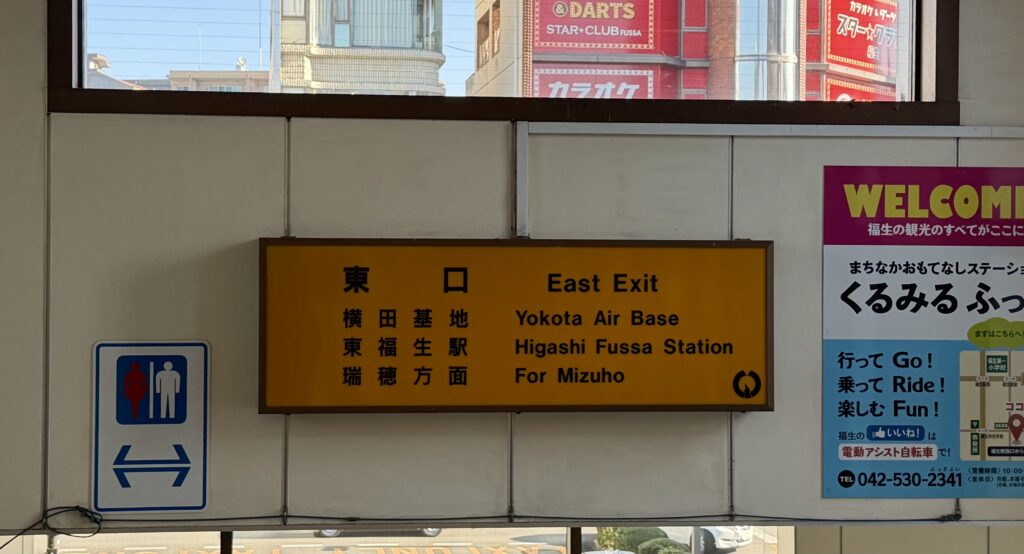
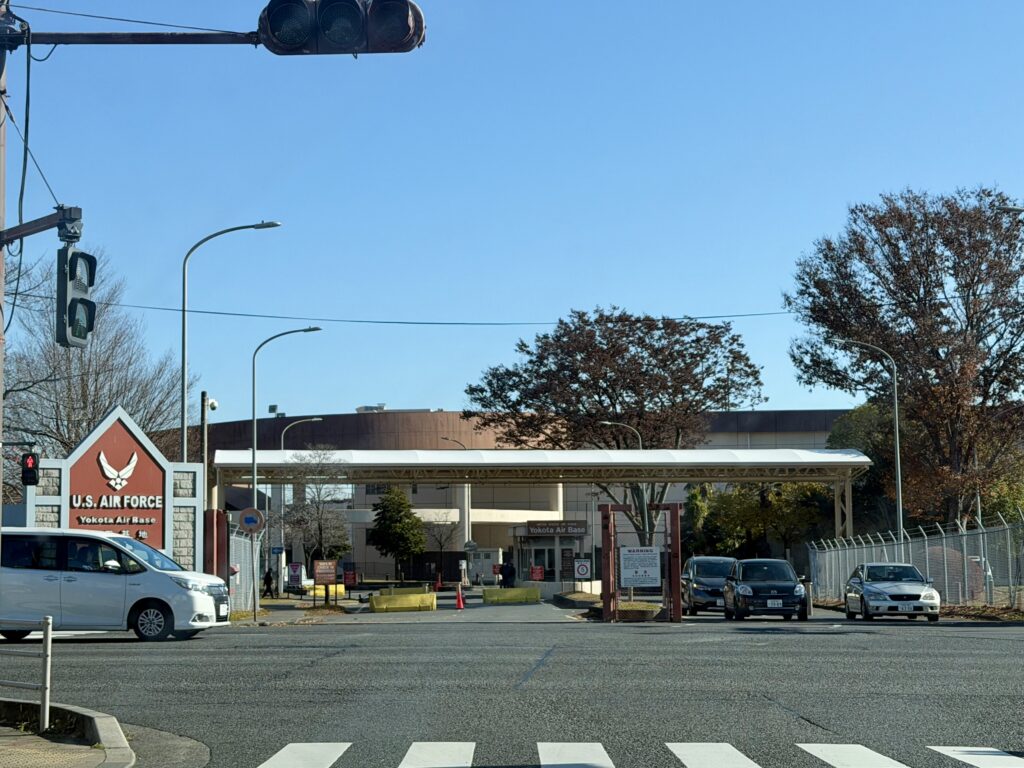
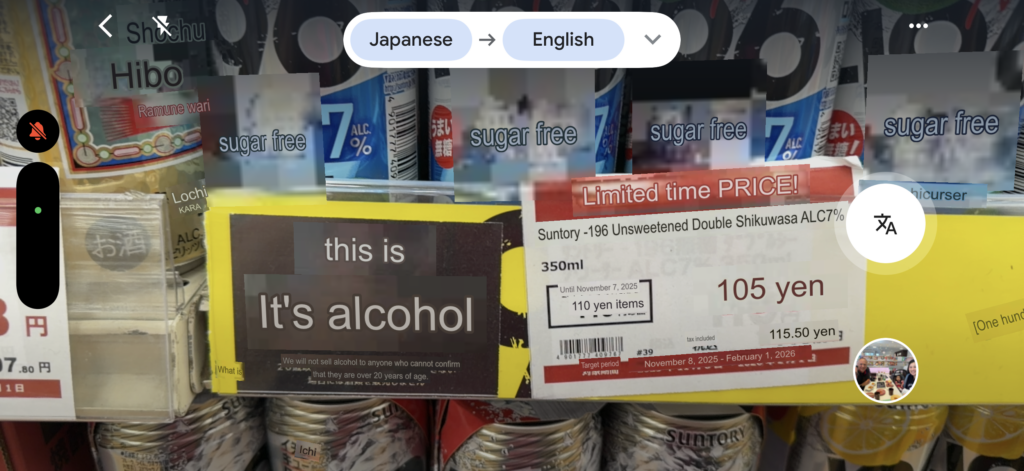
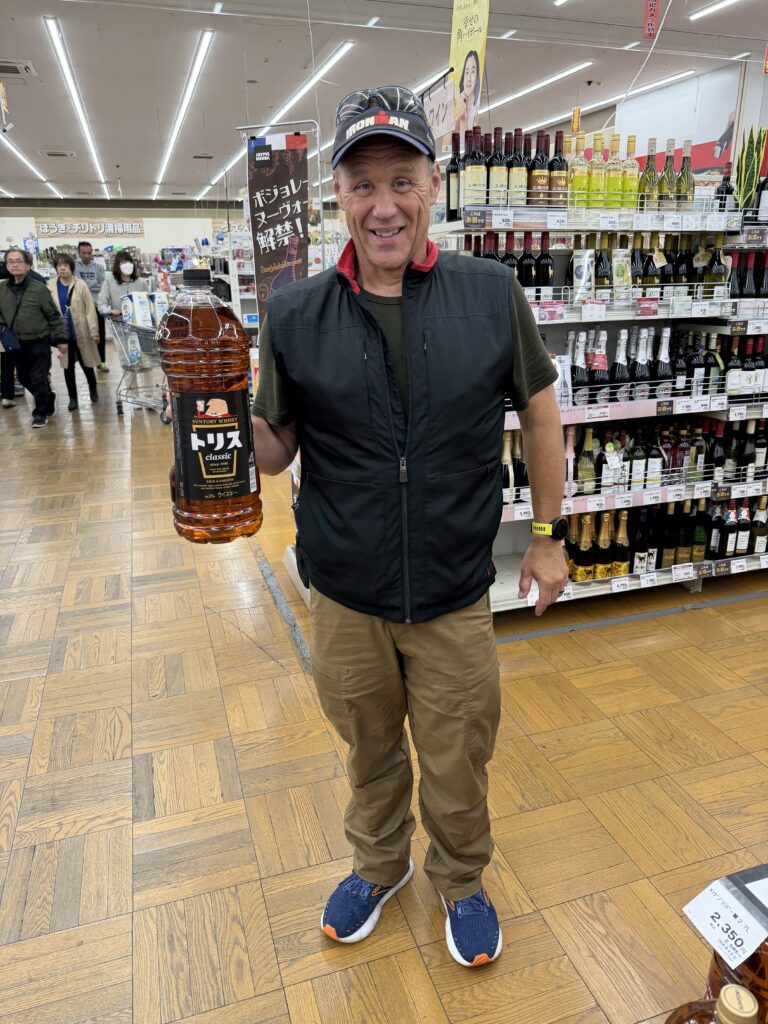
Then we headed out the East Gate for sushi followed by a trip to Joyful Honda (basically a big department store that has a little of everything! I even had my professional certificates framed there back when I was stationed there and they have survived several moves in those frames!). I didn’t get a picture of the outside but we had some fun reading the google translate English translations inside the store. Chris also found a massively big bottle of whisky (no we didn’t buy it!).
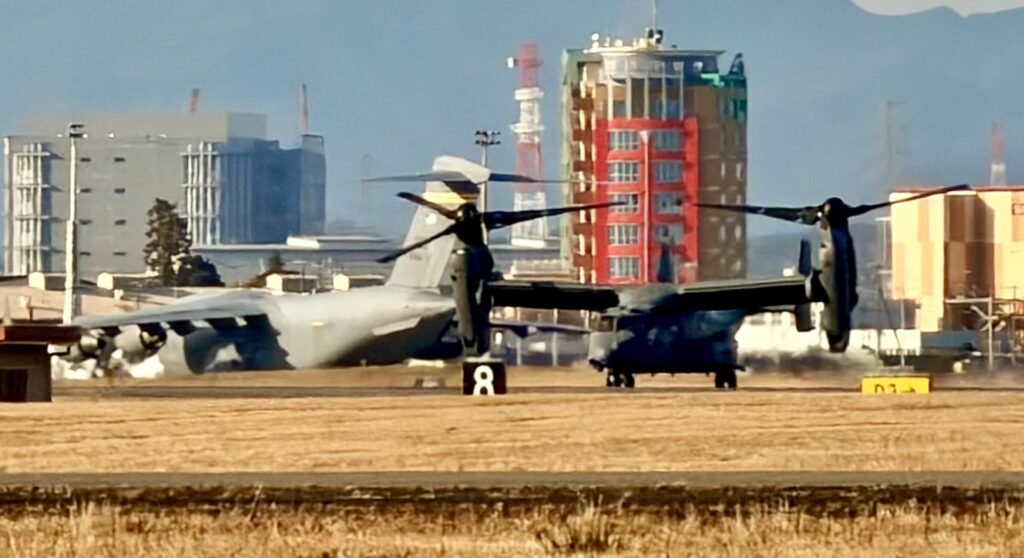
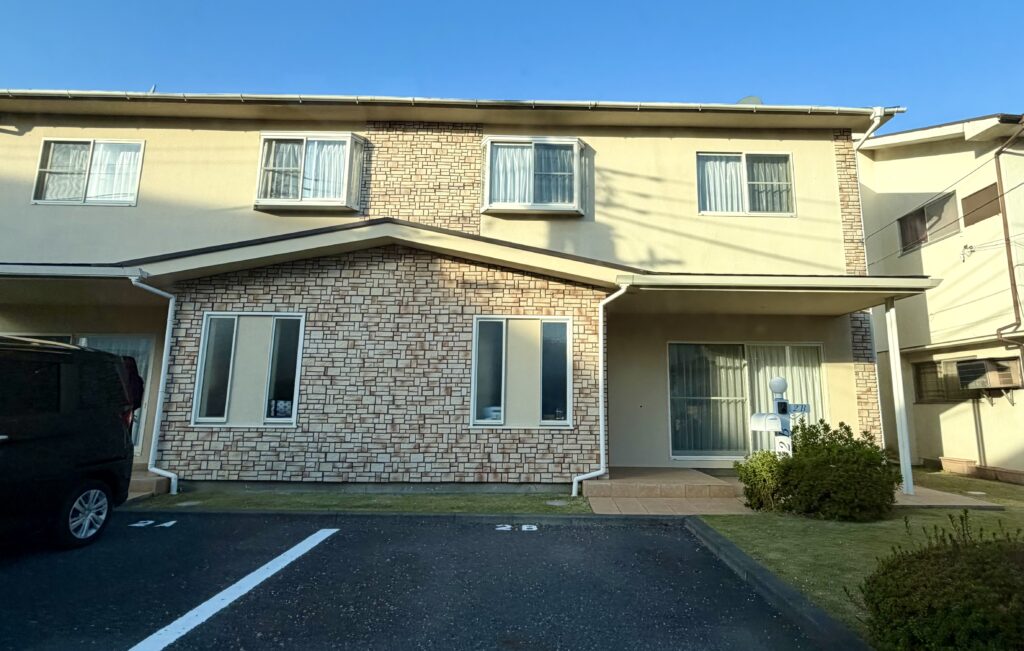
After that we cut back through the base and got some more cool views before heading out to the Fussa side into Hamura (where I lived). I lived on the right-hand side of this duplex in the picture below and I had several friends who lived in the same neighborhood.
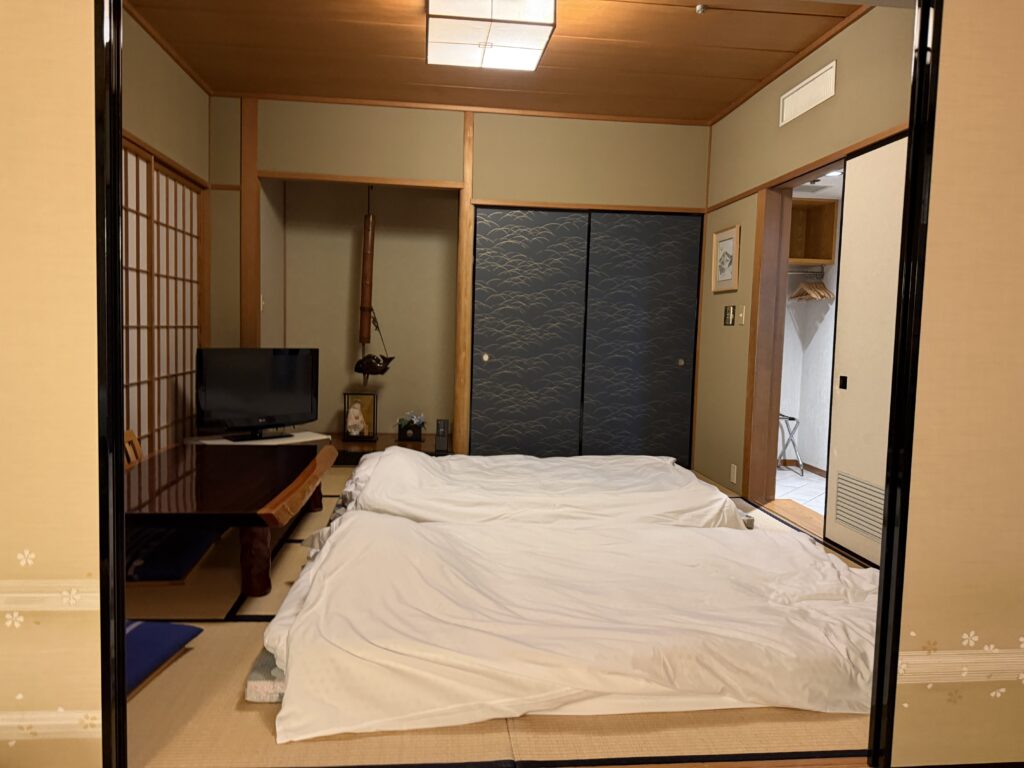
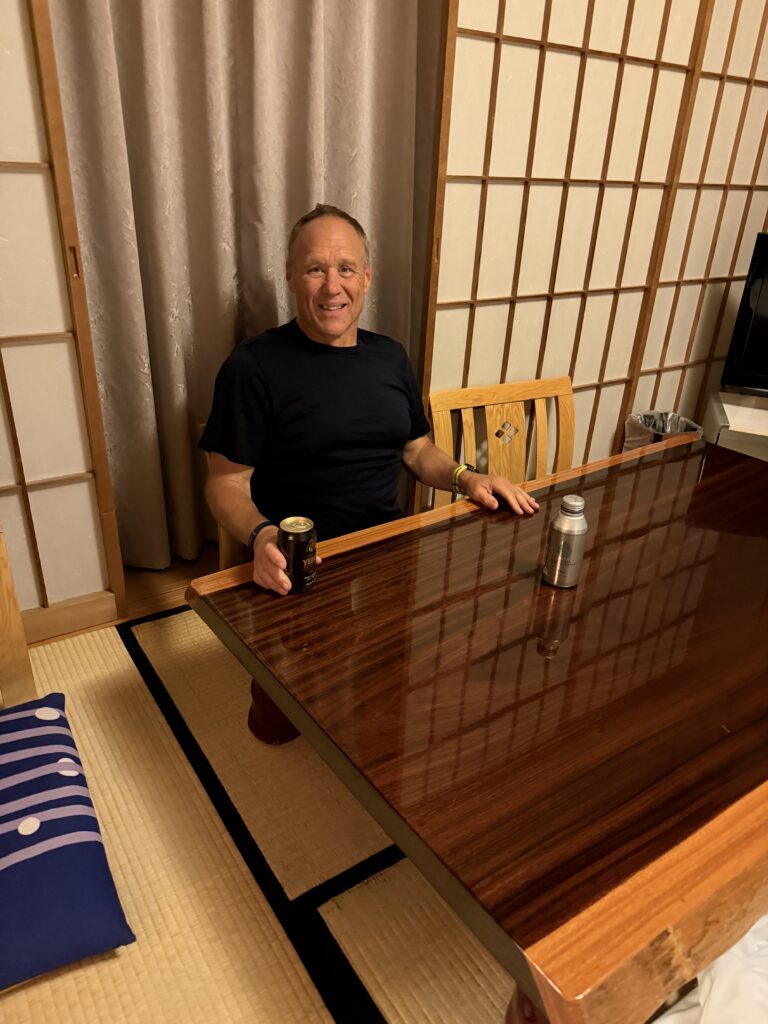
After that, we hopped on a train back to Tokyo to spend the evening in our hotel room. We spent a night in Tokyo before heading to Hakone for a night, then back in Tokyo for 2 nights, up to Misawa for 3 nights, then back to Tokyo for 2 nights. For all 3 stays in Tokyo we stayed at the New Sanno, which is a US Naval Joint Services Activity hotel in central Tokyo – so basically a “military” hotel (https://www.thenewsanno.com). There are specific requirements to be able to stay there but thankfully as a retiree we can still stay there. The room rates are rank based but even the highest tier is much cheaper than any comparable hotel in the city – only $140 a night for a double room. For the first night we splurged on a Japanese-style room (a whopping $20 more a night). The hotel is a short (7 min or so) walk to the metro and there are a couple of bus stops within a couple blocks of the hotel so it’s very convenient to get around.
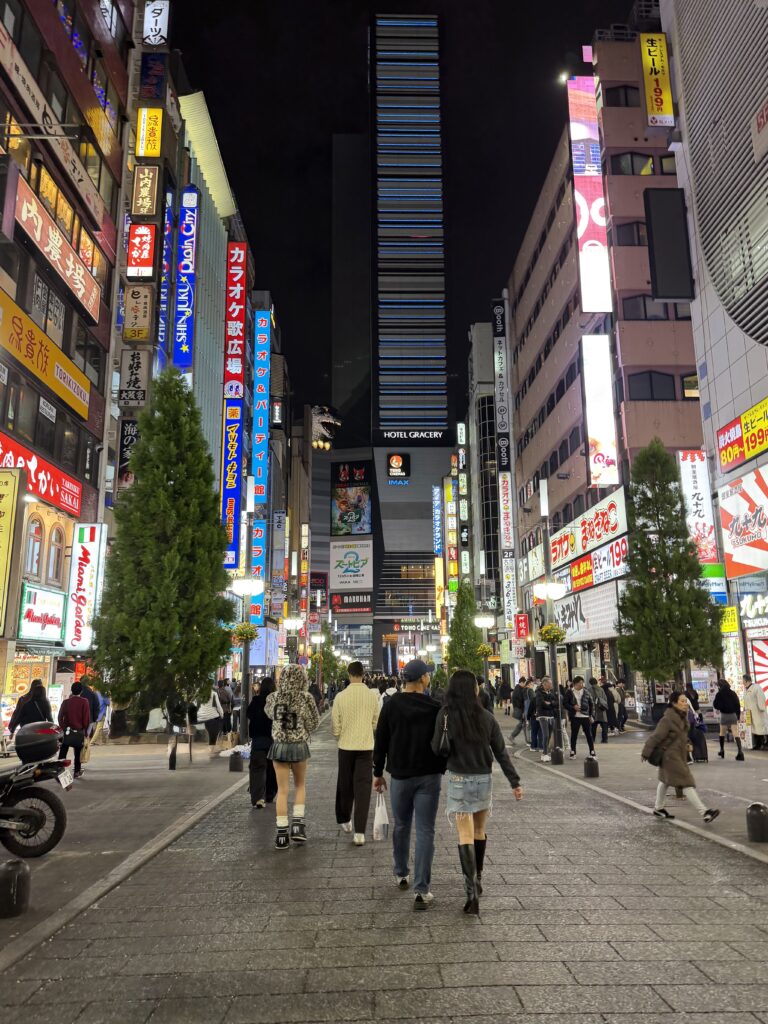
The next morning we headed out for Hakone – I will be doing a separate post for that trip. The nice thing about coming back to the same hotel was that we were able to leave our bags and just take a backpack for what we needed for the 1 night in Hakone. Once we got back to Tokyo from Hakone, we checked in for our regular room at the New Sanno then headed out to Shinjuku to grab dinner and see the crowds and lights. I am intentionally leaving out all the food specifics because Japan food kinda deserves its own post. So stay tuned for that one!
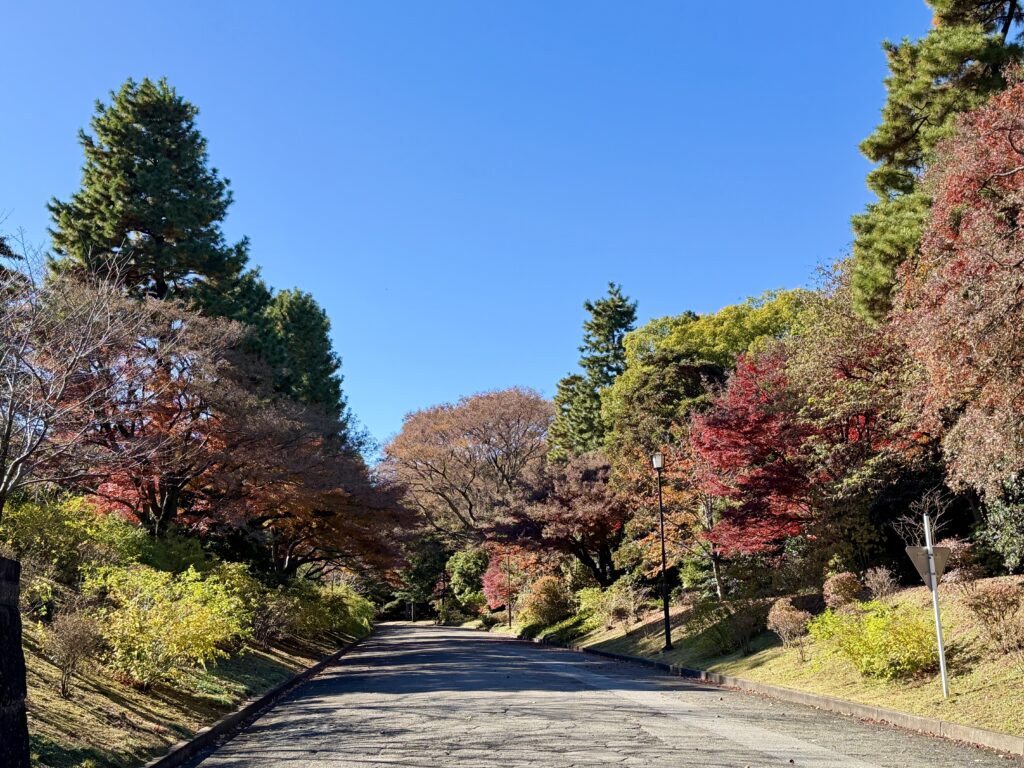
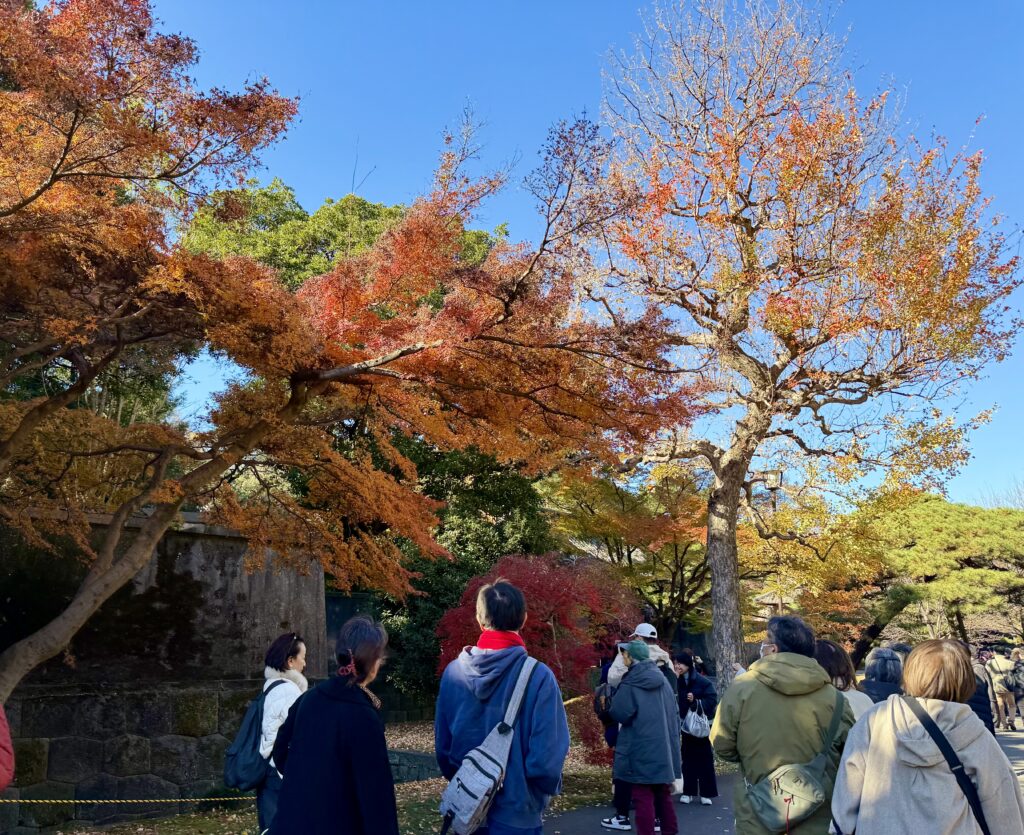
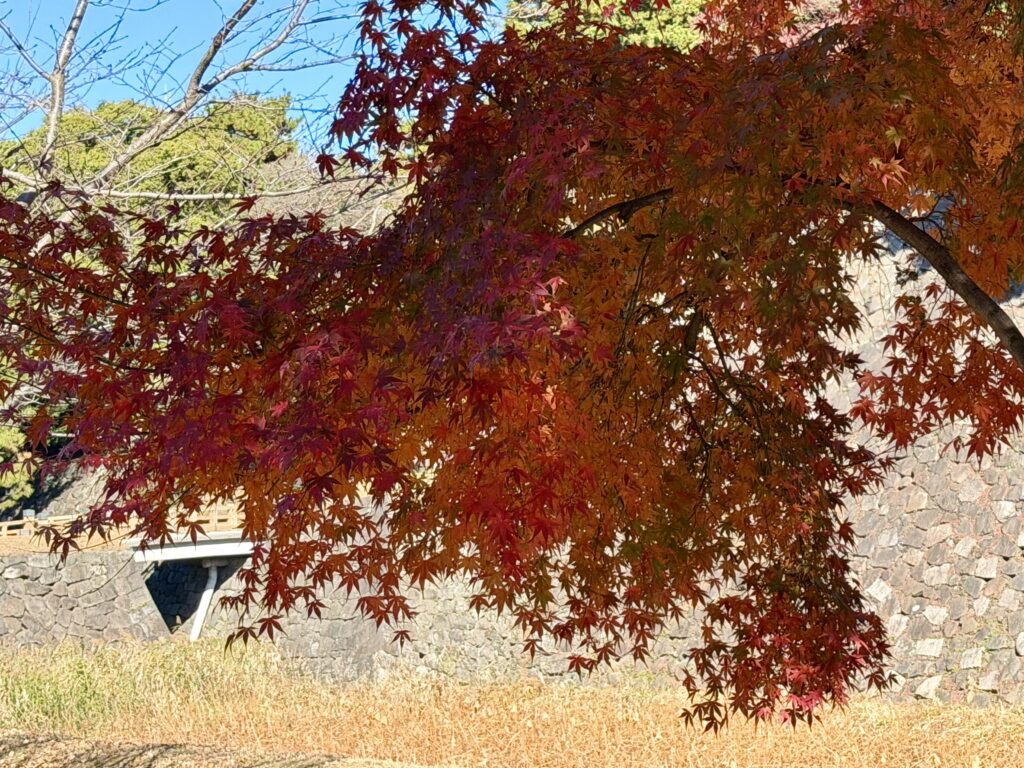
We only had 2 full days in Tokyo total so we checked out a few places from our last trip in 2020, plus a few new ones. The next day we headed out to check out the Imperial Gardens. There’s a street that is open to the public for 9 days to view the autumn leaves (https://www.kunaicho.go.jp/e-event/inui.html; https://www.japantimes.co.jp/news/2025/11/29/japan/imperial-palace-street-autumn-season/) and the timing happened to work out in our favor – it was open Nov 29-Dec 7 and we went to check it out Dec 4.
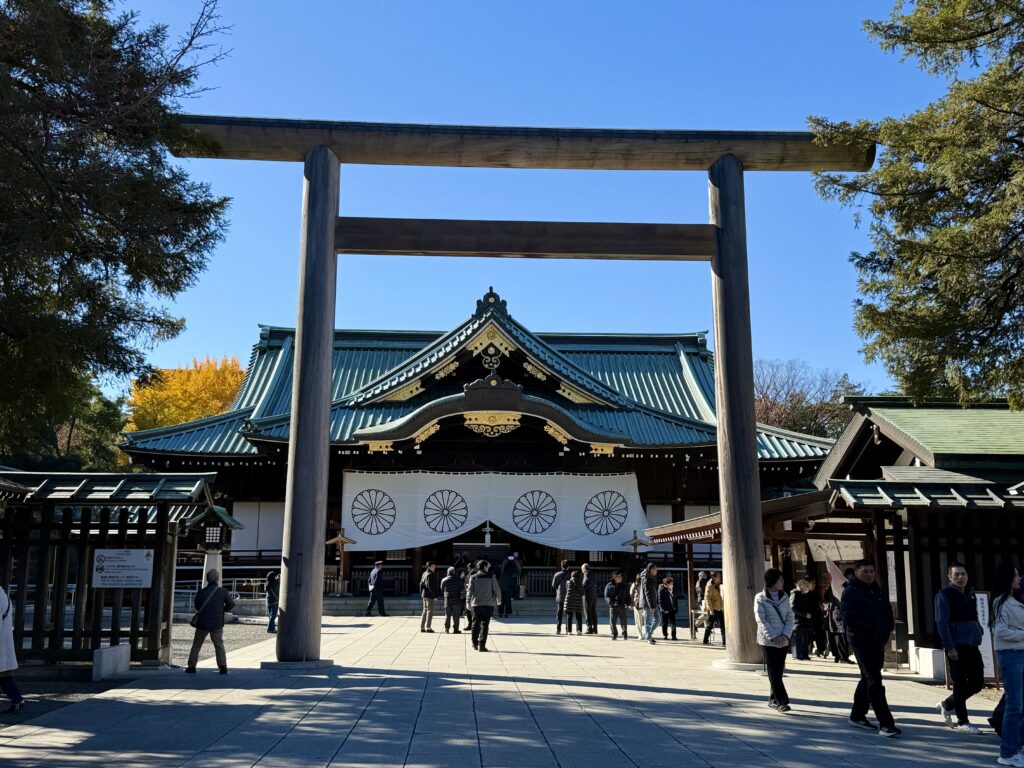
After that we walked to a nearby shrine called Yasukuni Jinja (https://www.yasukuni.or.jp/english/), and was established in the late 19th century “to commemorate and honor the achievements of those who dedicated their precious lives to their country. The name ‘Yasukuni,’ bestowed by the Emperor Meiji, means to preserve peace for the entire nation” – it is dedicated to the deities of those who died in wars fighting for Japan. It is also somewhat controversial because there are several war criminals from WW2 enshrined here (https://www.japan-guide.com/e/e2321.html). We are in Germany right now and it’s so interesting to see how differently Germany and Japan handle WW2 history – Germany intentionally puts all the dirty details out there with the intention of education so that it doesn’t happen again. In Japan they don’t really talk about it (unless you’re going to a specific WW2 site like Hiroshima).
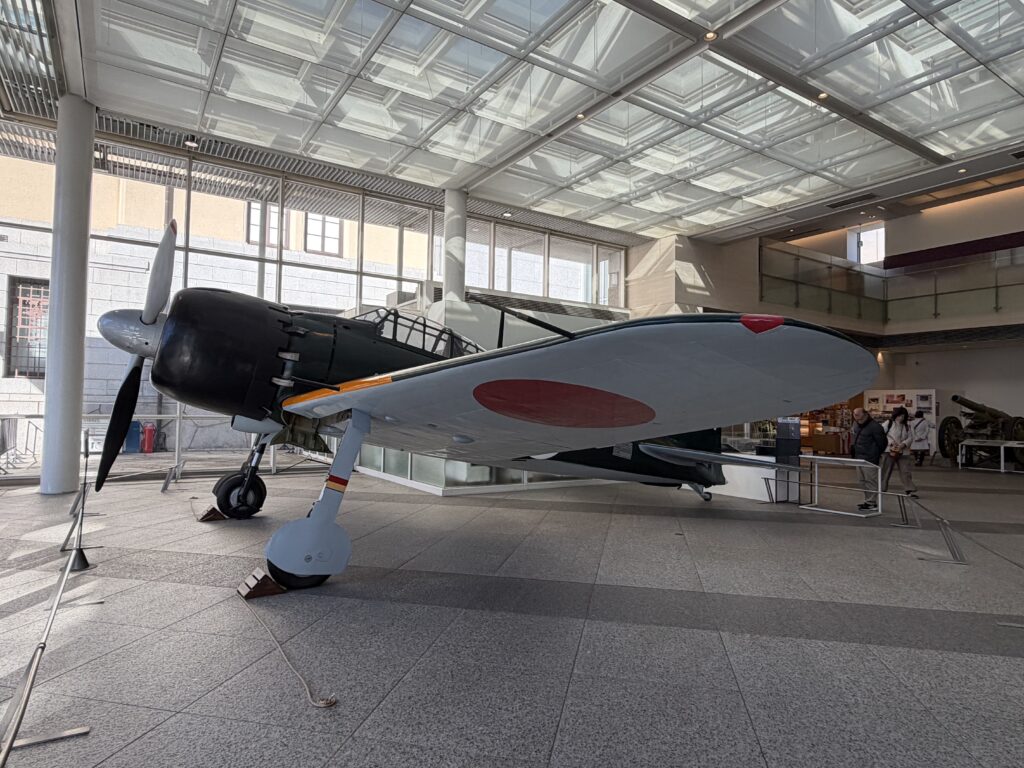
There’s also a museum that we didn’t explore but we did pop into the lobby to see a Japanese 0 plane.
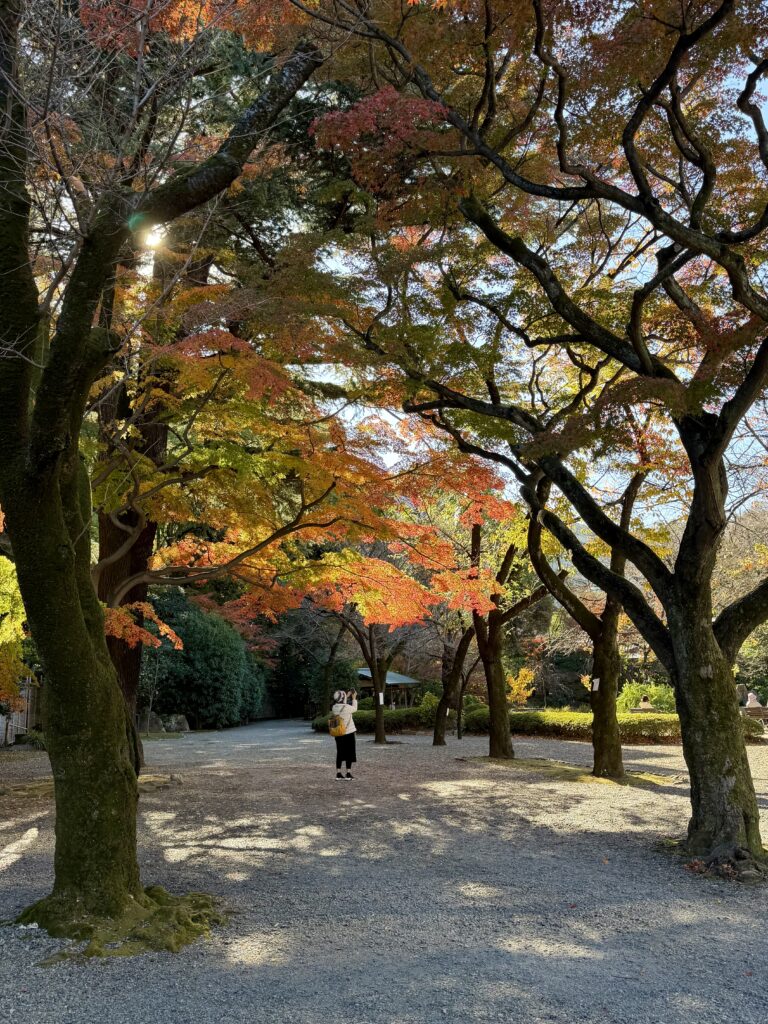
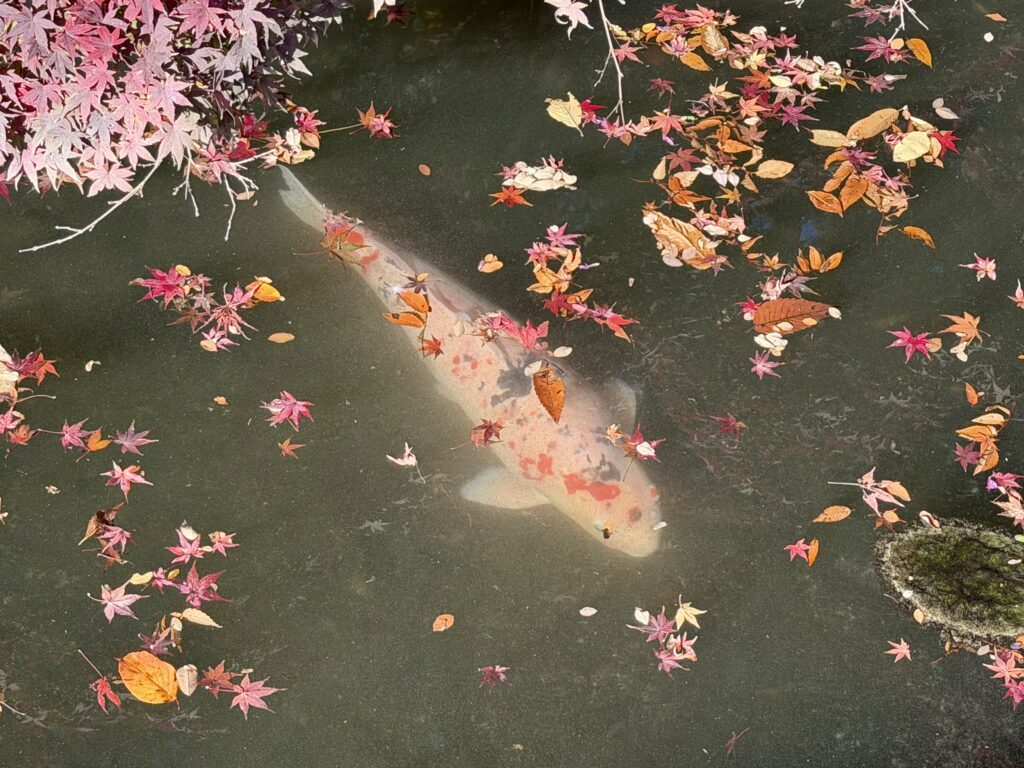
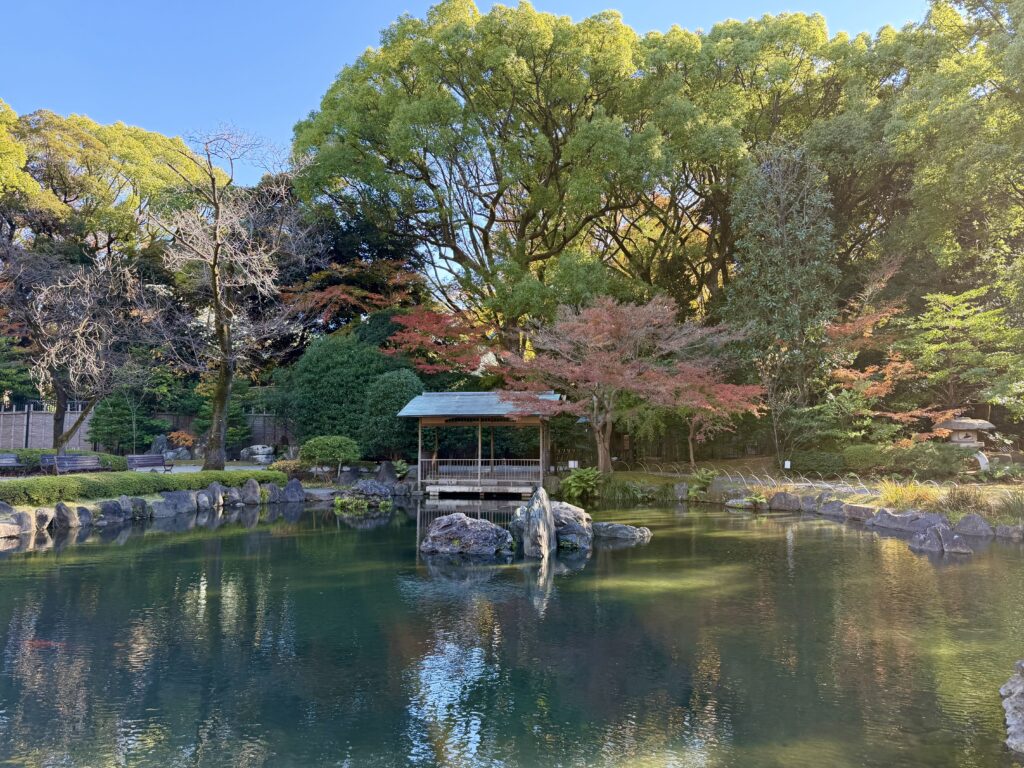
The grounds were beautiful and very peaceful so we took some time to just sit and relax in the gardens. Also the koi fish were massive!
After that we went over to Shibuya Crossing (Shibuya Scramble Crossing) is famous for being one of the busiest intersections in the world. We went mid-day which is not the busiest time but it was still cool to see.
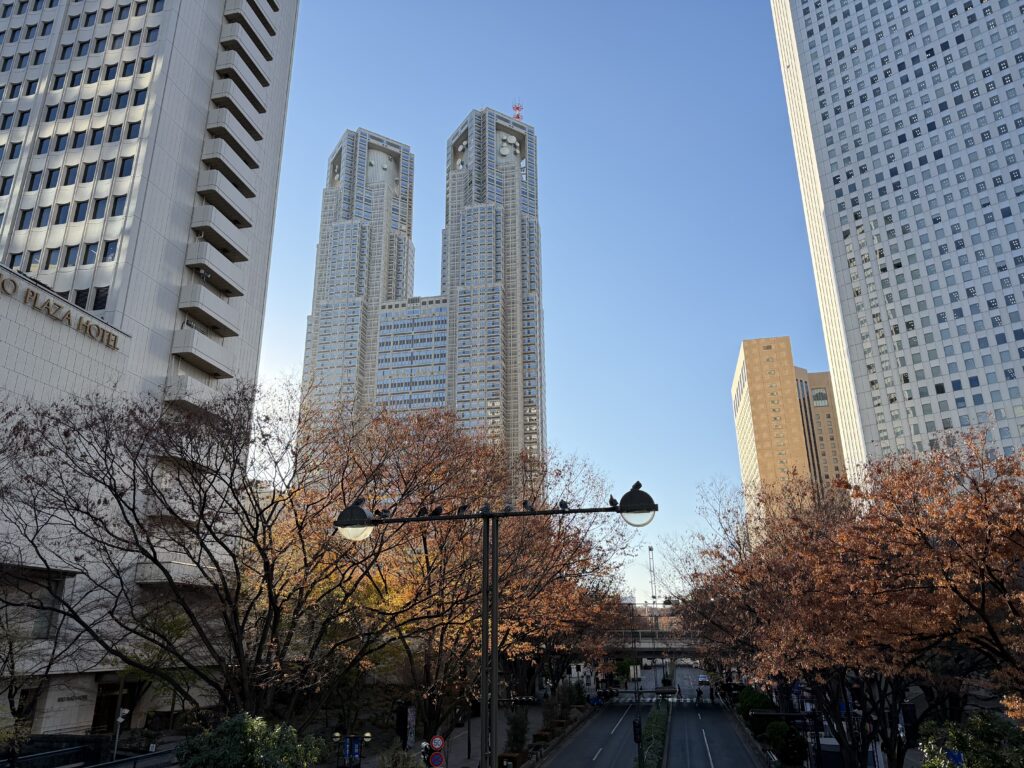
To finish up our day, we headed back to Shinjuku and up the Tokyo Metropolitan Government Building observation tower (you can go up either tower – on this trip we went up the South Tower; https://www.english.metro.tokyo.lg.jp/w/000-101-000542). On our last trip we went up in the Tokyo Skytree to get great views of the city but we had not been up in this building yet – it’s free which is a plus! The line wasn’t bad at all and we got up there just before sunset. We got incredibly lucky and it turned out to be the 4th day in a row on our trip where we got to see Mt Fuji (the day at Yokota, then both days in Hakone, then again here).
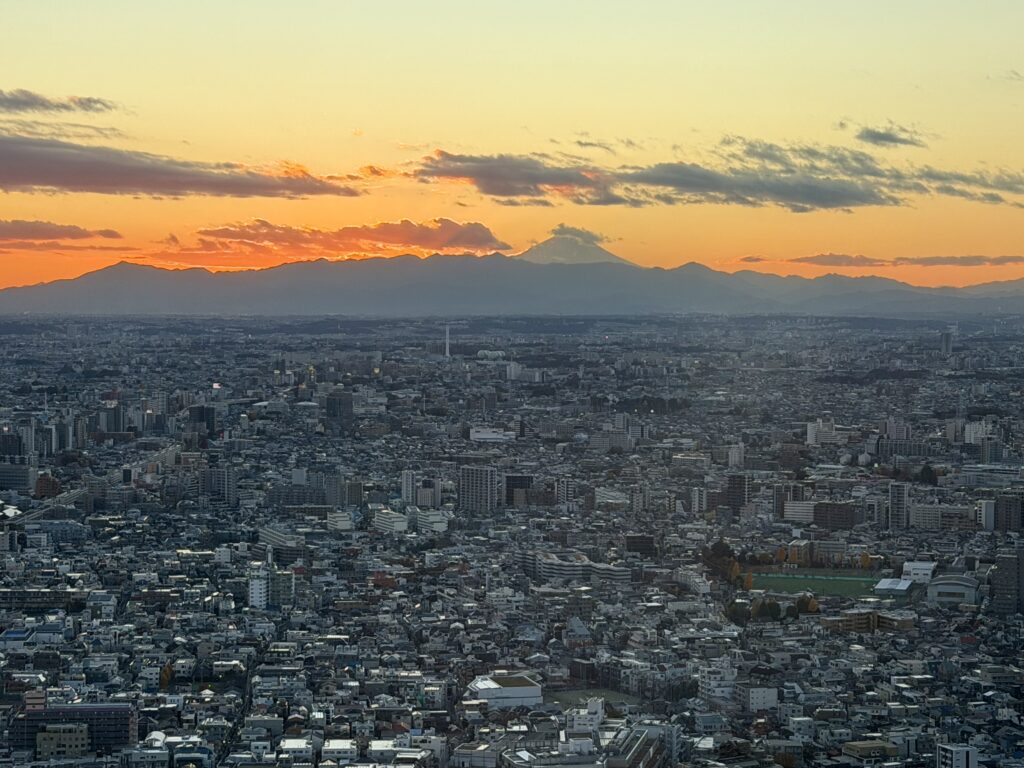
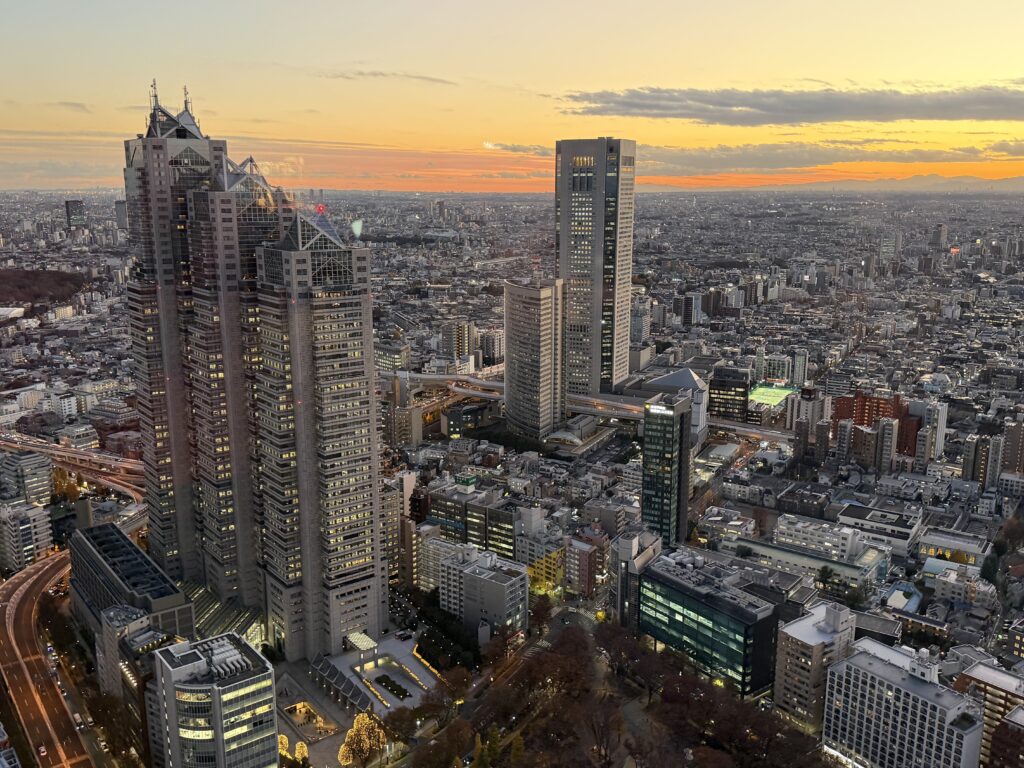
After that we headed back near the New Sanno and grabbed ramen at one of our favorite ramen places before heading in for the night. The next day we got up and took the Shinkansen up to Misawa to visit some friends up there for 3 nights (which will also be covered in its own post). Once we got back from Misawa, we had one more full day in Tokyo plus a partial day before an overnight flight to Doha. On our last full day in Tokyo, we again had a mix of new places and favorites we wanted to check out again – the main one being Tsukiji Fish Market.
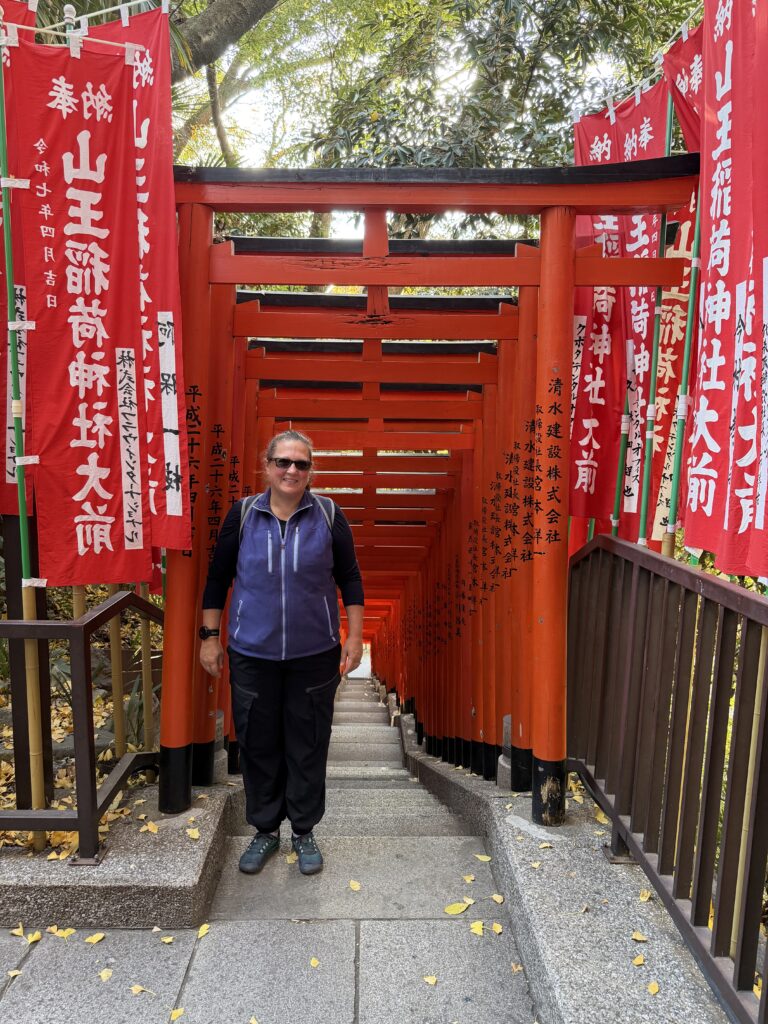
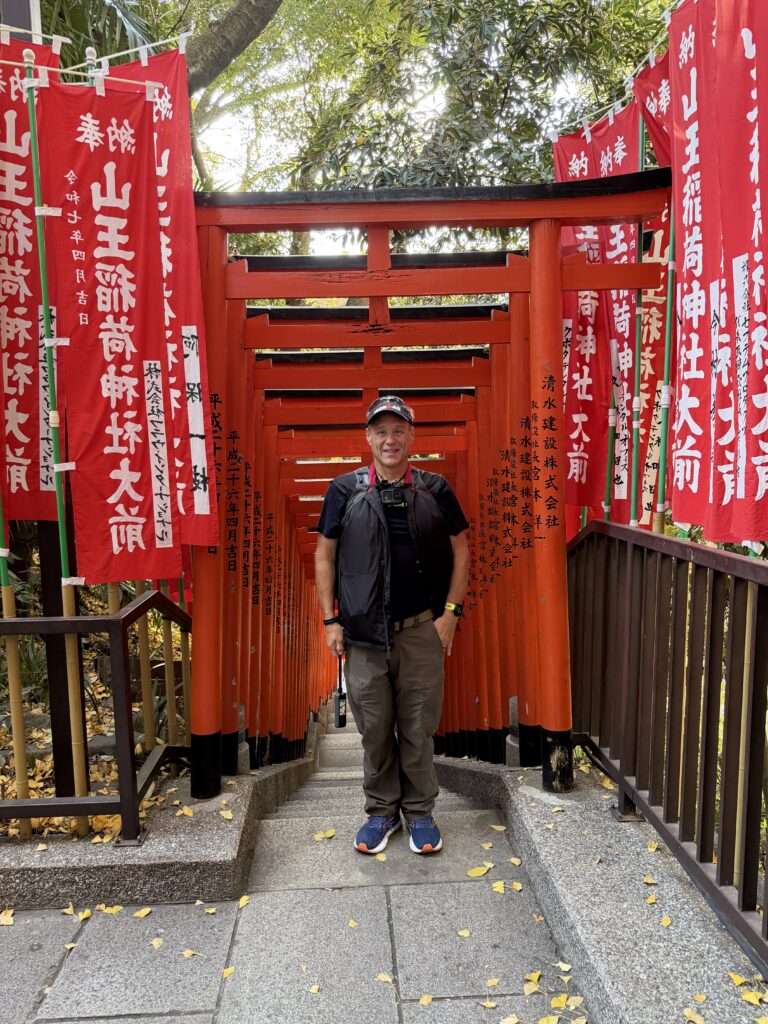
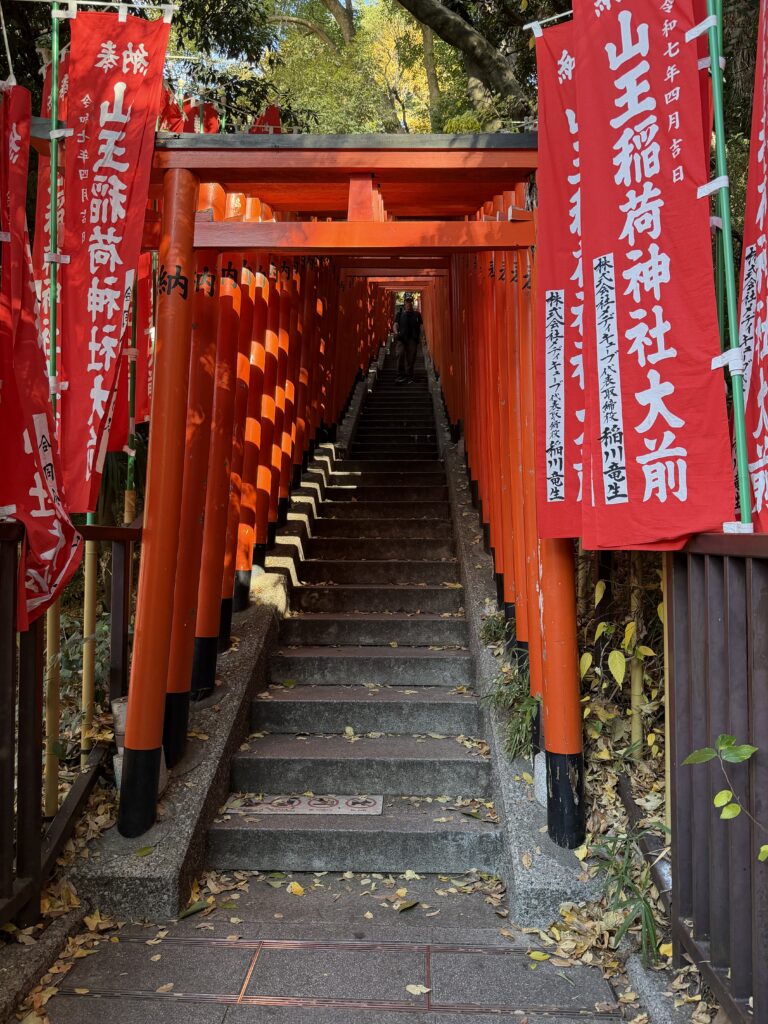
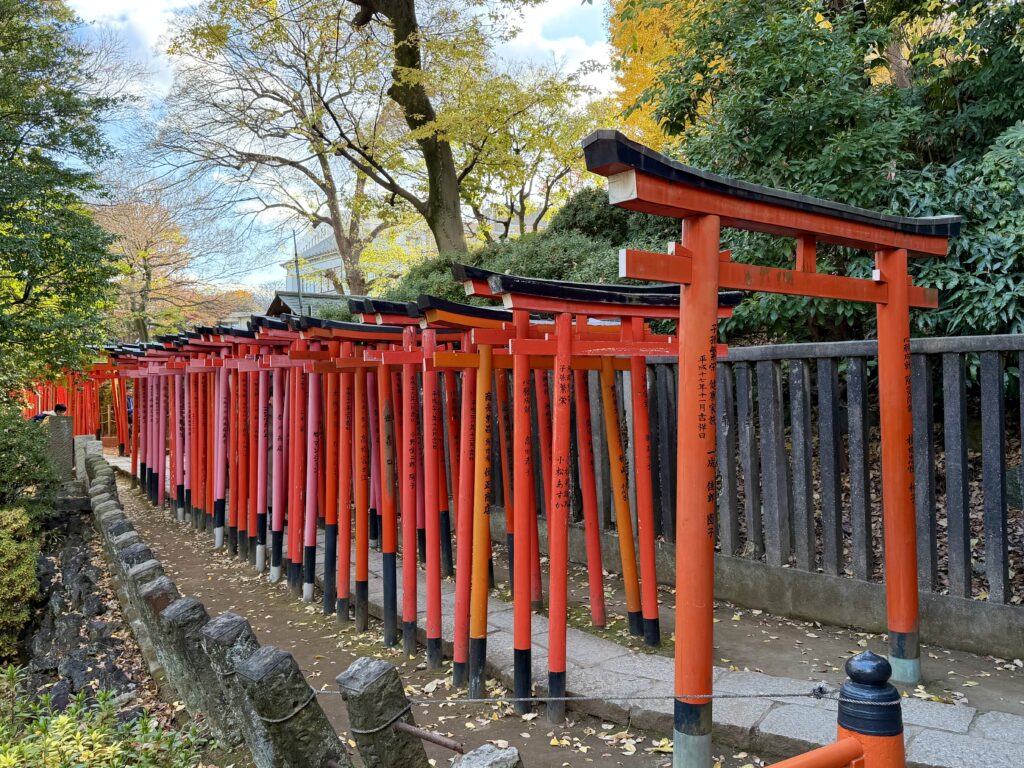
We started out the day at the first of 2 shrines that Chris found that had rows of torii gates (similar to the Fushimi Inari shrine outside of Kyoto made famous in the Memoirs of a Geisha movie). The first one was the Hei-jinja Shrine (https://www.japan.travel/en/spot/1732/). Of note – these red torii gates are a feature of Shinto shrines (as opposed to Buddhist temples). There are plenty of both around Japan and many Japanese people practice both Shintoism and Buddhism. You can read a little more about the differences and how they are practiced in Japan here: https://www.japan-experience.com/preparer-voyage/savoir/comprendre-le-japon/temple-bouddhisme-shinto-differences and here: https://www.japan-guide.com/e/e629.html.
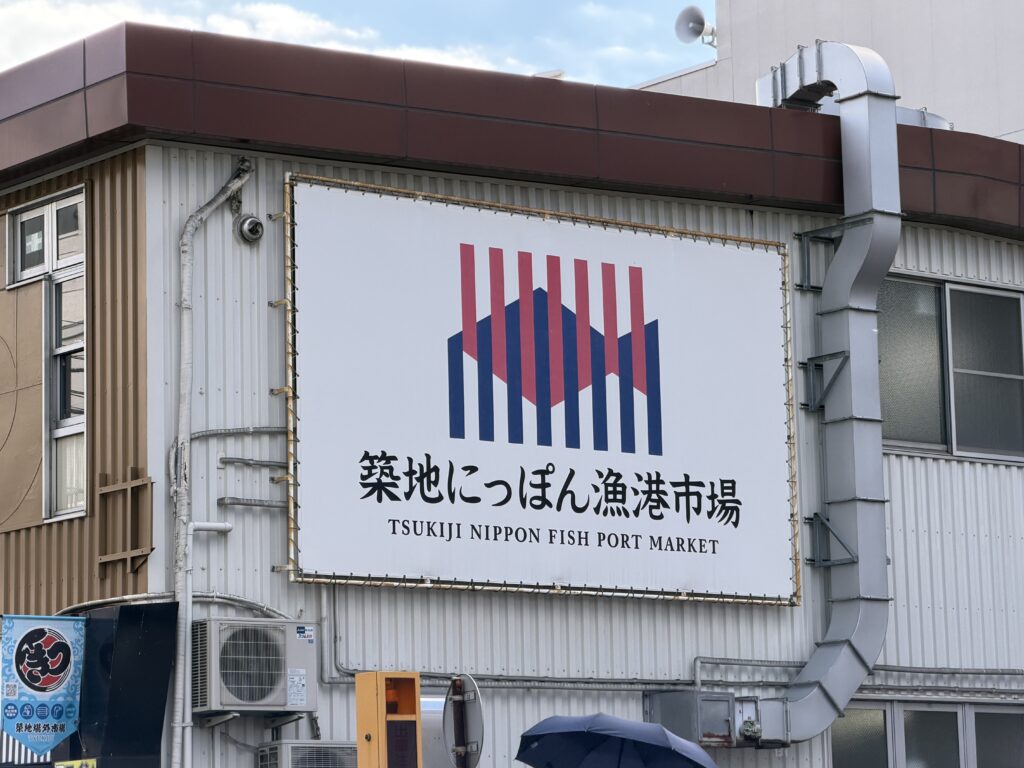
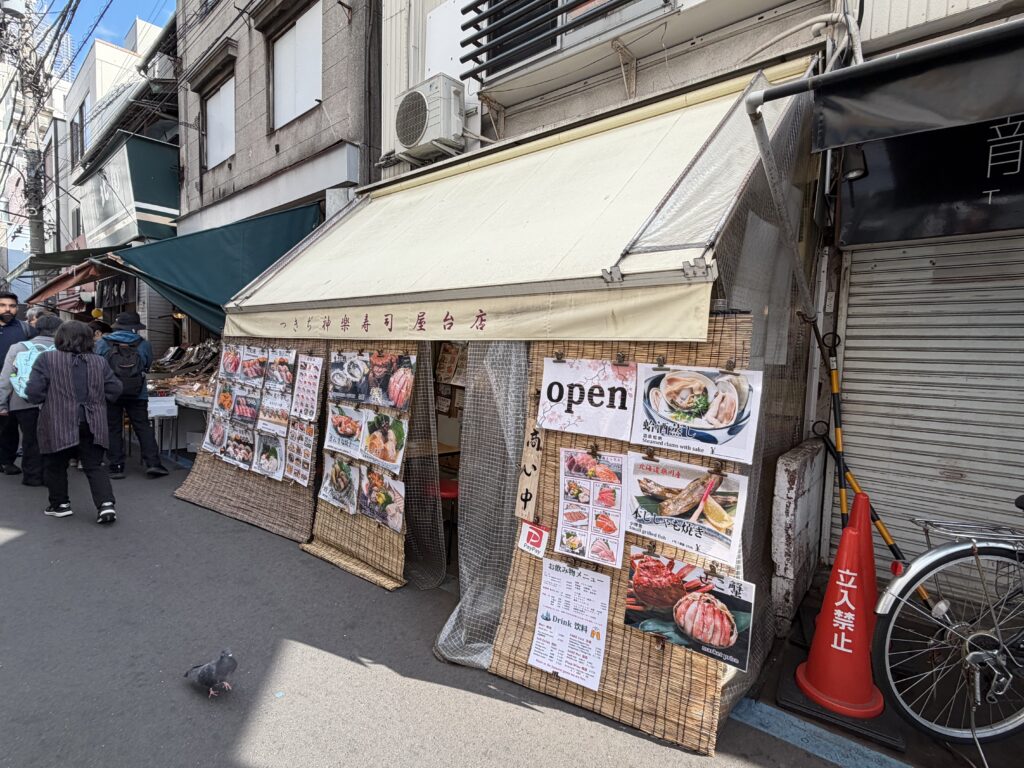
After this stop, we headed over to Tsukiji Fish Market. More specifically this is the outer market. The inner market (where the tuna auction is held) moved to a new location in Toyosu in October 2018 but the outer market remained in place and has a bunch of food stalls and shops. I erroneously thought you could no longer go to the tuna auction but as I was reading more while writing this blog, I learned you can go see it. I saw some tours available – but be aware they are very early in the morning (the one I saw on GetYourGuide had a hotel pickup at around 5 AM). We got to the outer market around lunchtime and plenty of the stalls were still open but some were closing up so for the full experience, go early.
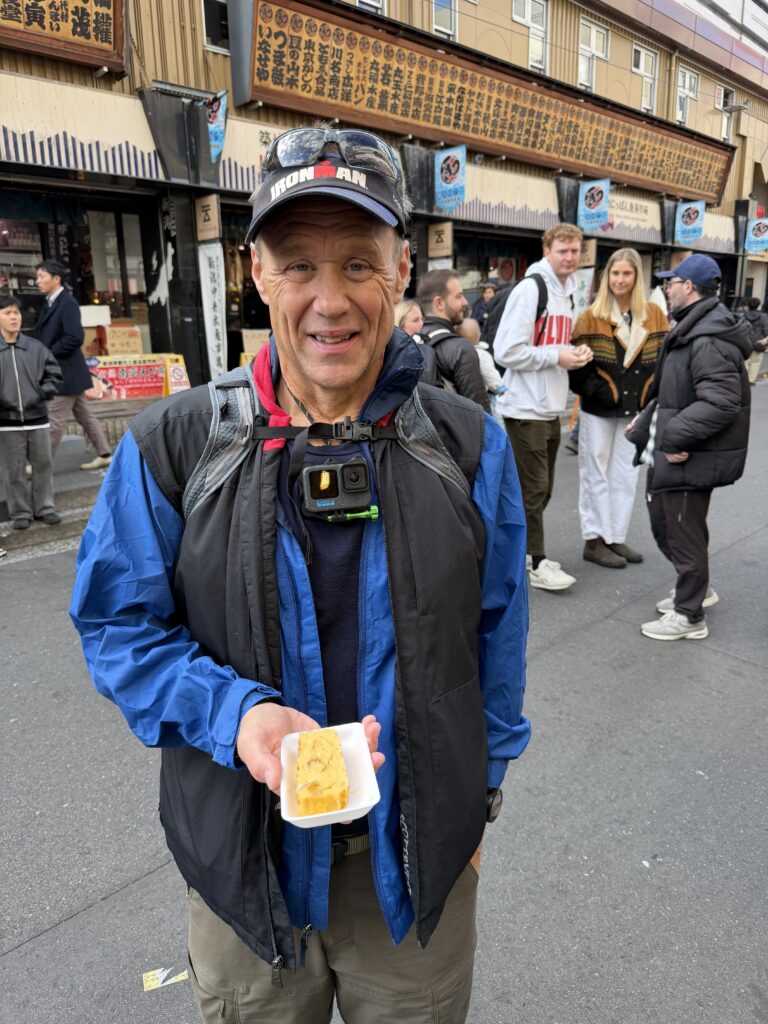
One of Chris’ favorite foods here is the tamagoyaki (egg omelette). I actually figured out how to make them at home – it definitely took some time to figure out the technique! They are slightly sweet and best eaten while they are warm.
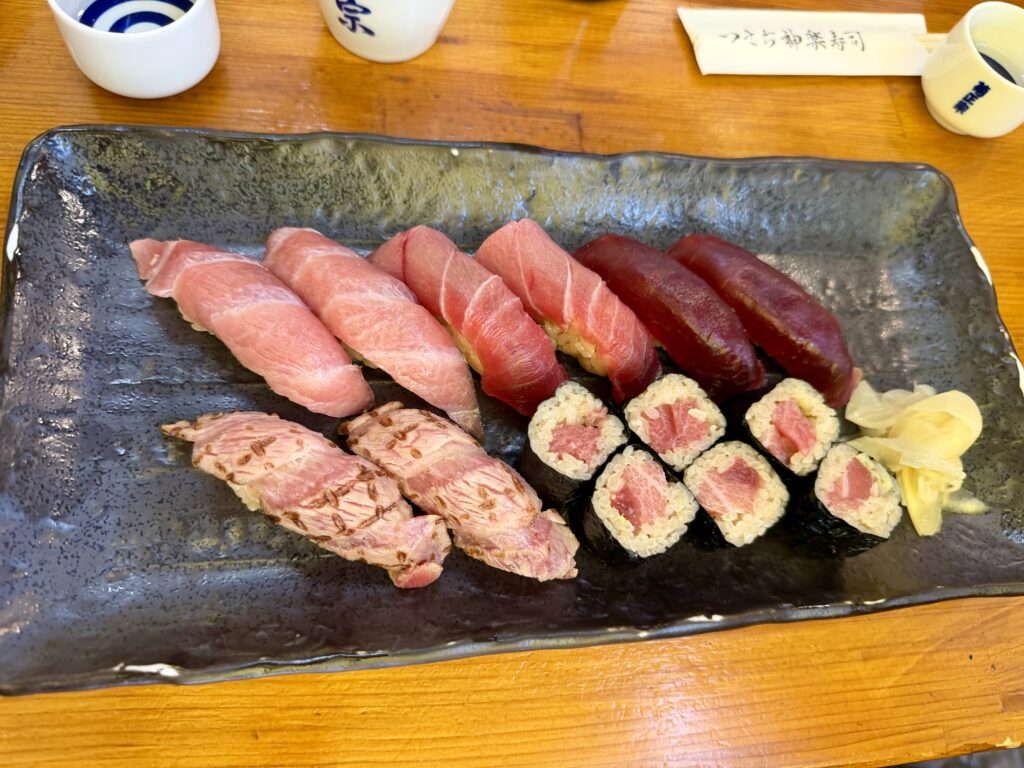
When I in Tokyo in 2023 for the marathon, I had breakfast sushi the day before the race – you can’t go wrong with sushi for breakfast here! I was on that trip alone and got to bring Chris back to the same stall for some sushi.
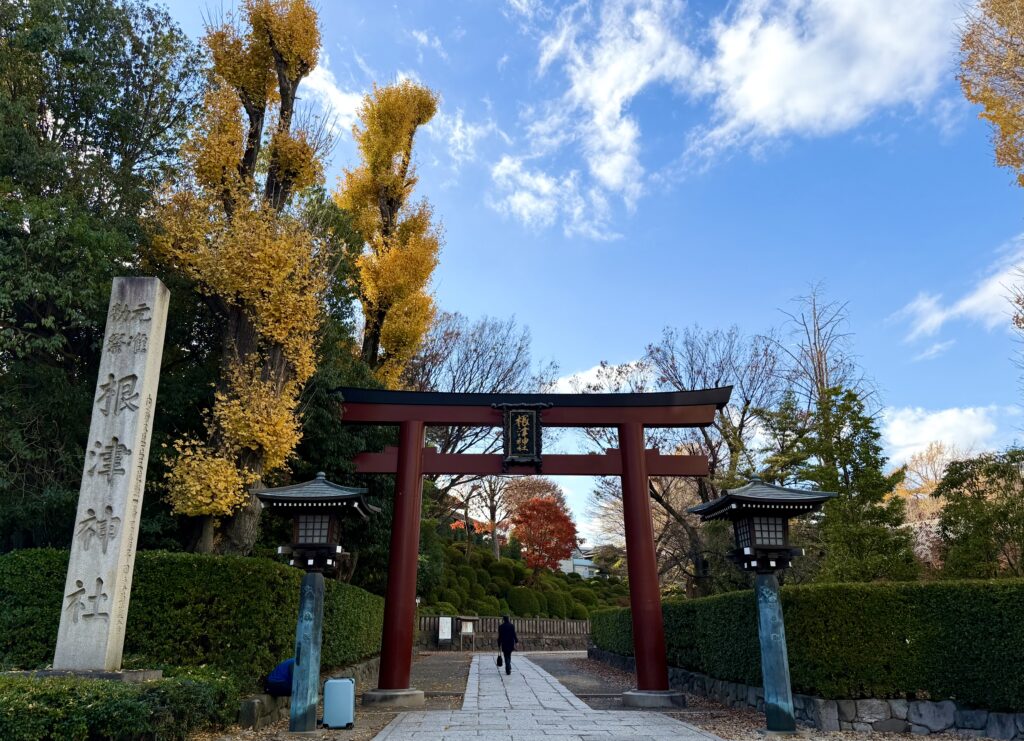
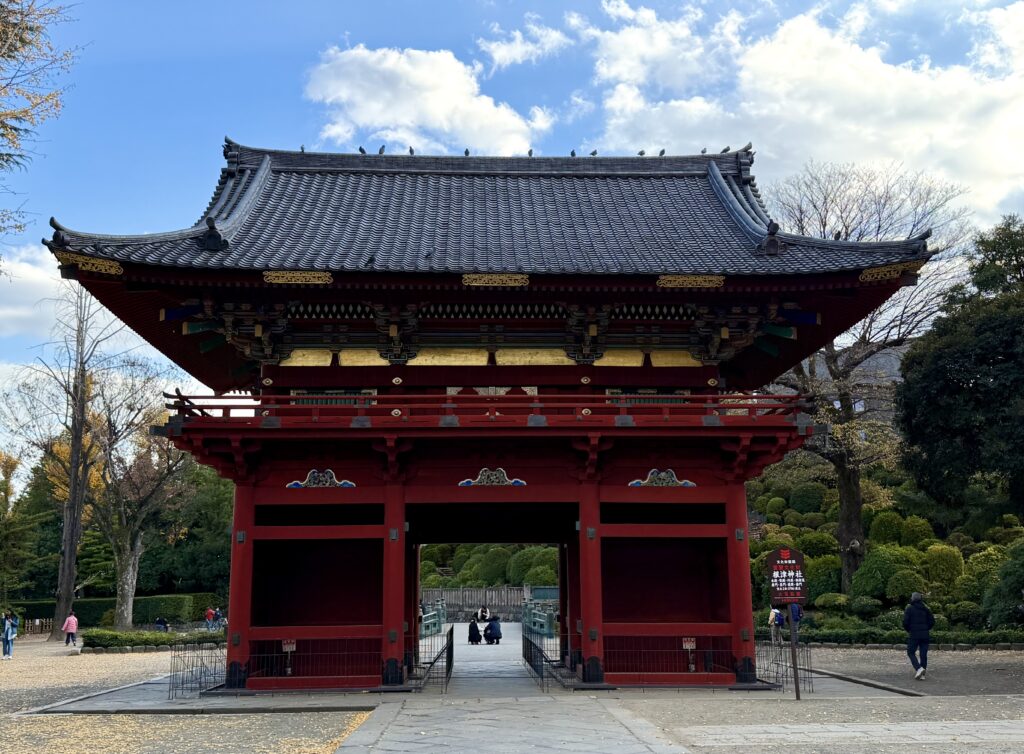
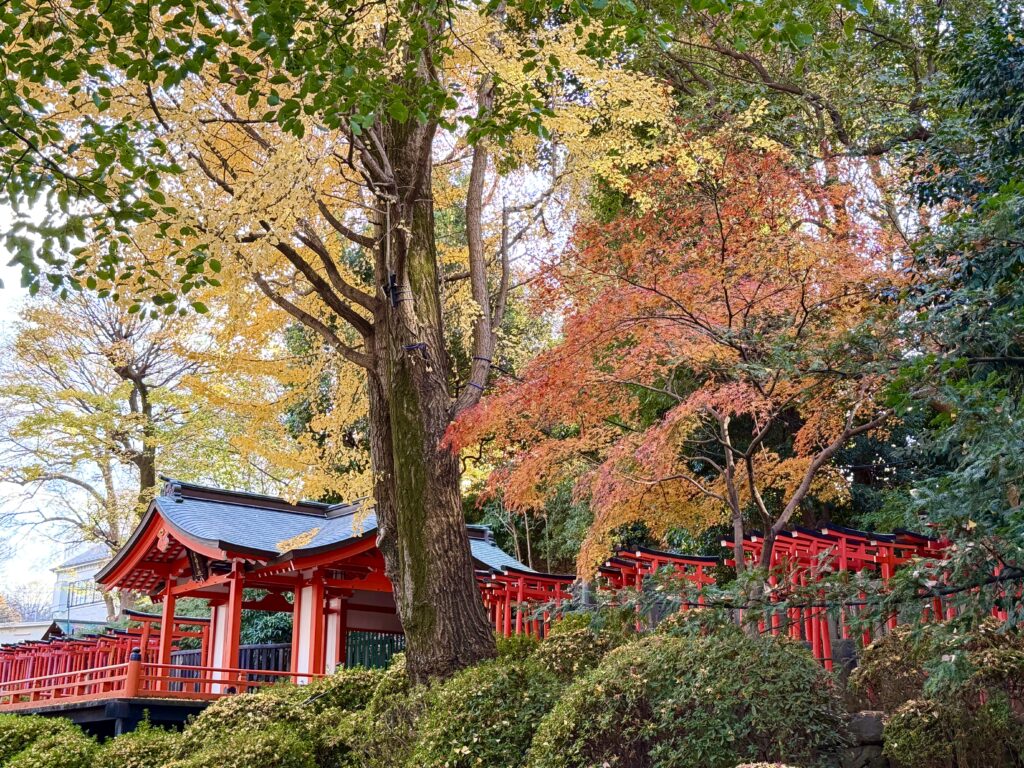
After we left the fish market, we headed to the 2nd shrine – Nezu Shrine (https://www.japan-experience.com/all-about-japan/tokyo/temples-shrines/nezu-shrine). It dates back to 1705 and managed to survive the Great Kanto Earthquake of 1923 and the firebombing of Tokyo in WW2.
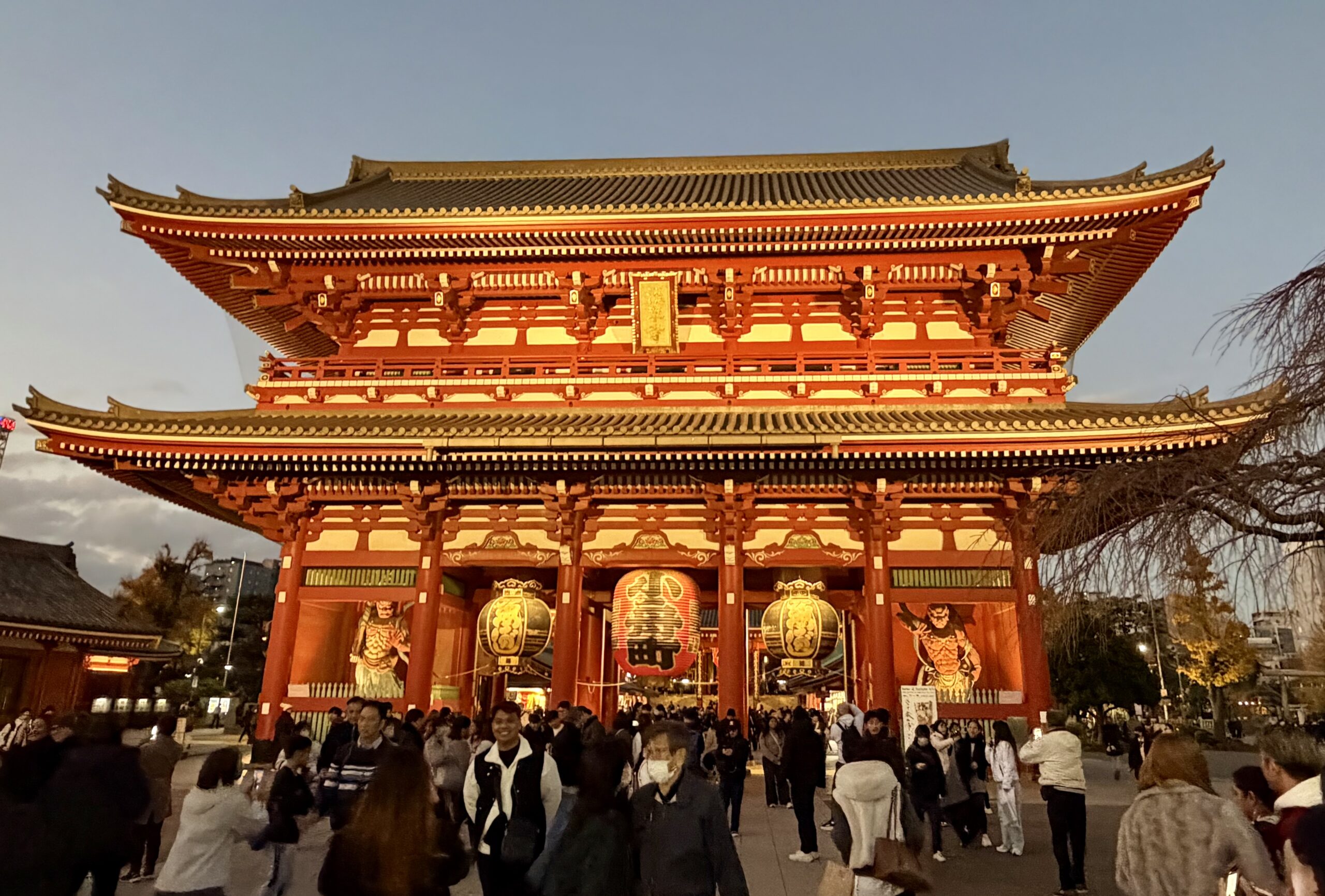
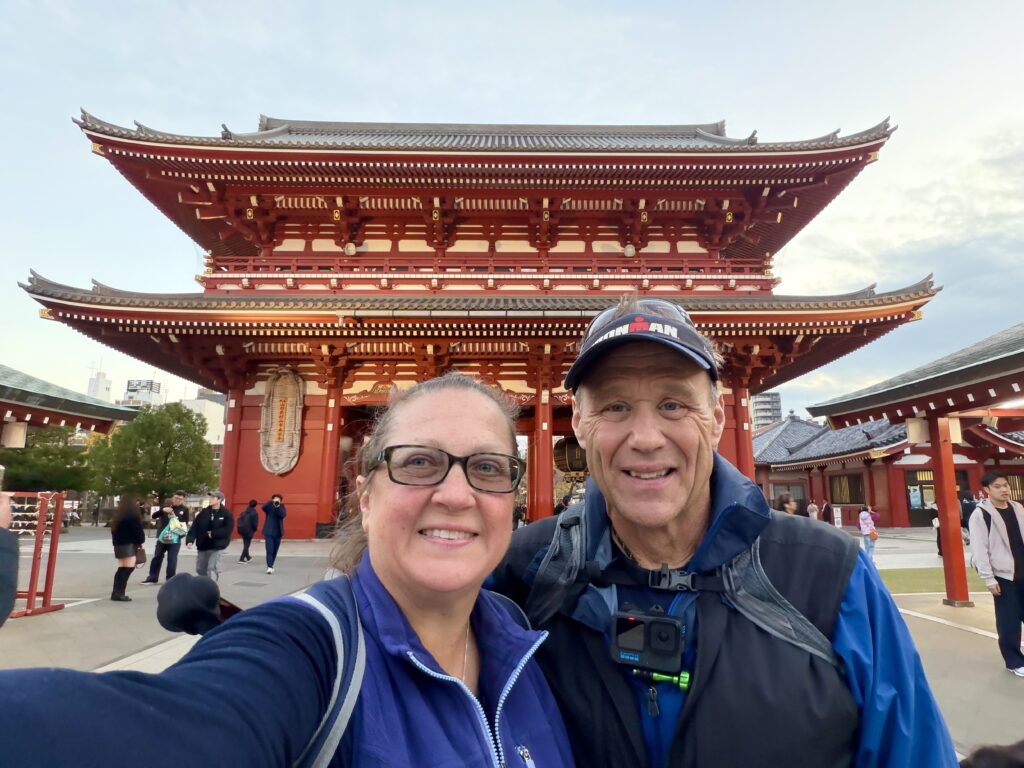
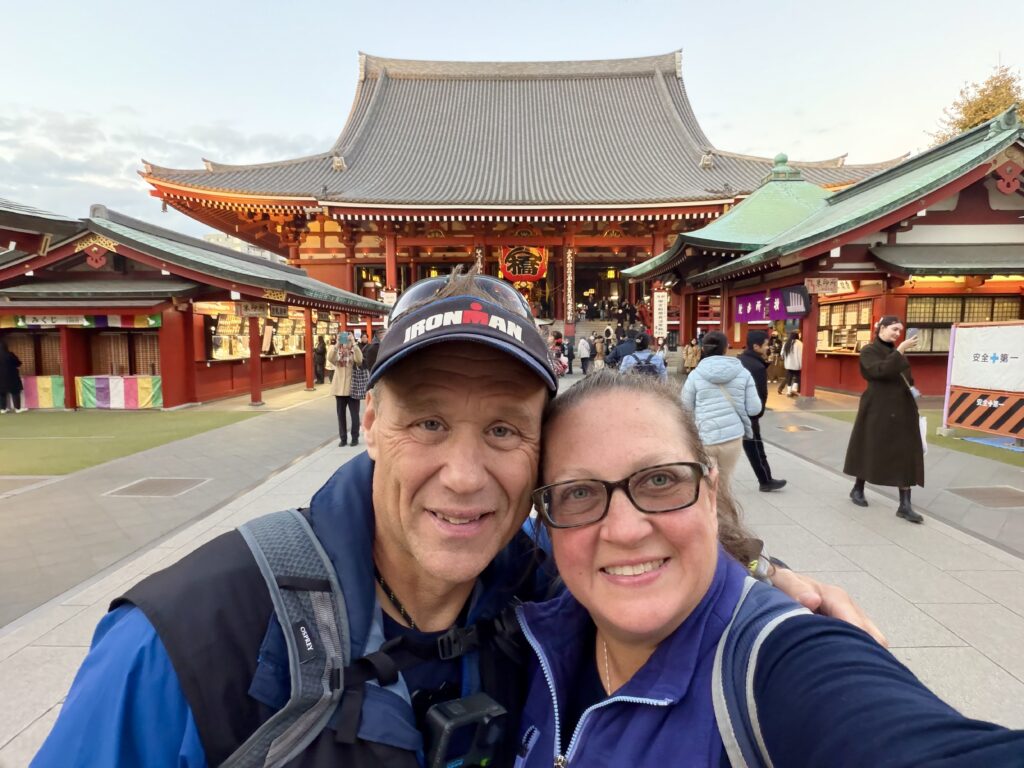
After we left here, we headed over to Senso-ji Temple (https://www.senso-ji.jp/english/)- we went to this one on our last trip in 2020 but wanted to see it again. This time we went at night and it was really pretty all lit up! It is the oldest temple in Japan and one of the more famous sights in Tokyo. It’s definitely worth a visit.
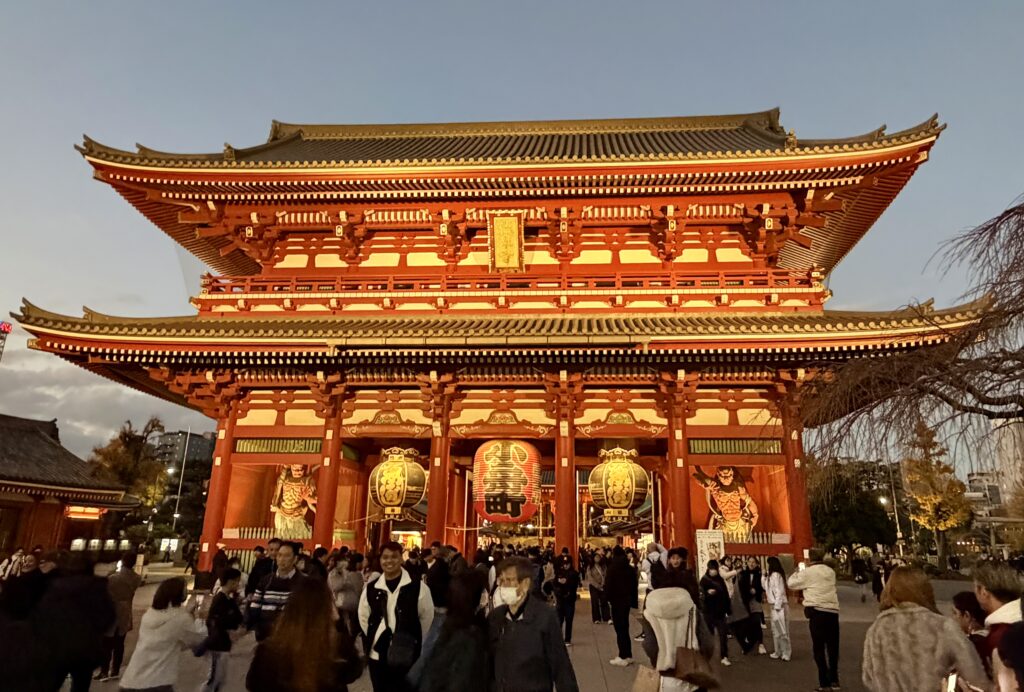
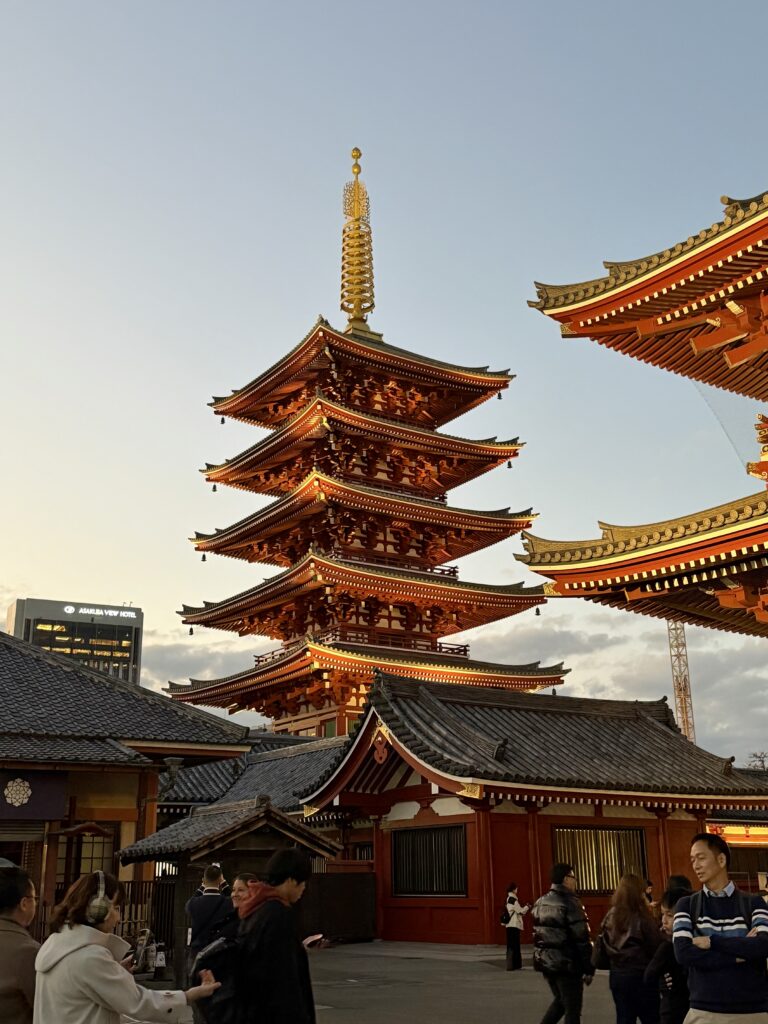
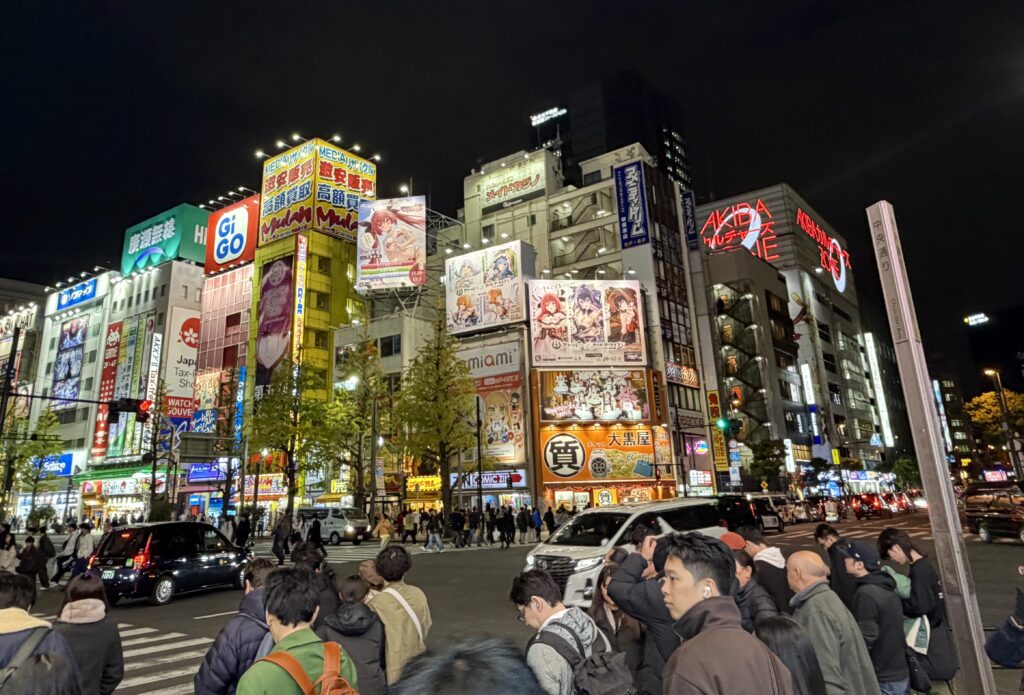
To finish off the night, we headed over to Akihabara (the “electronics district” or “Akihabara Electronic Town”) – famous for its many electronics shops. Chris *may* have picked up a new camera here (Insta360 GoUltra) – the favorable exchange rate plus it being tax free made it an awesome deal! We grabbed a great tempura dinner here then headed back to the hotel for the night.
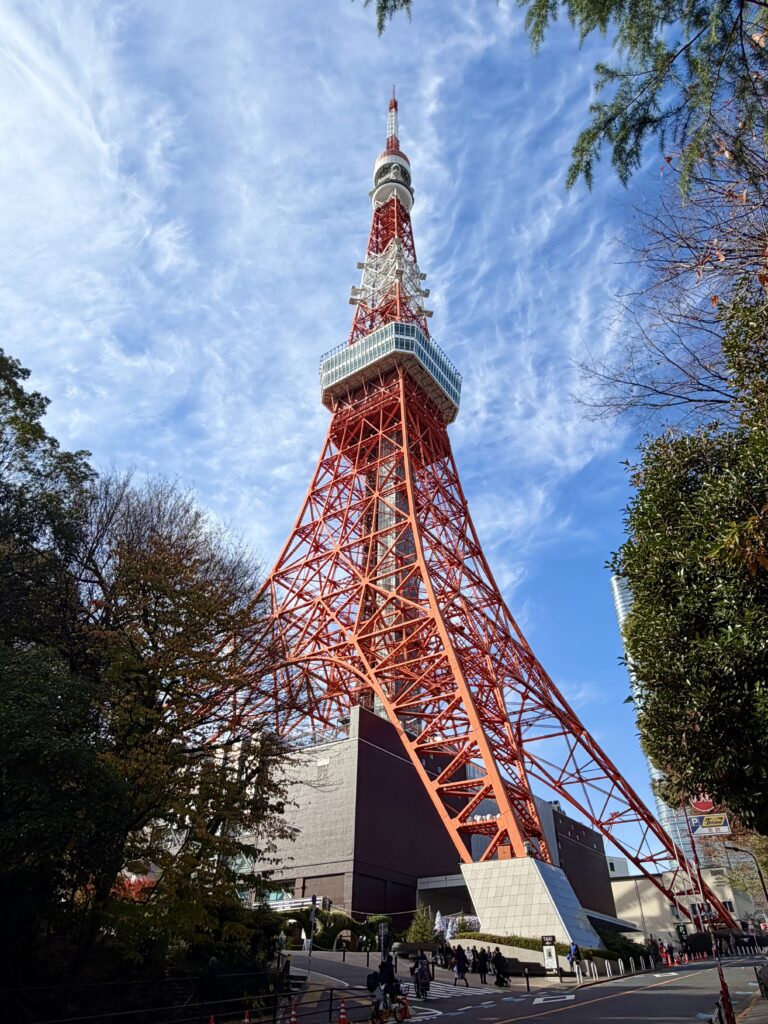
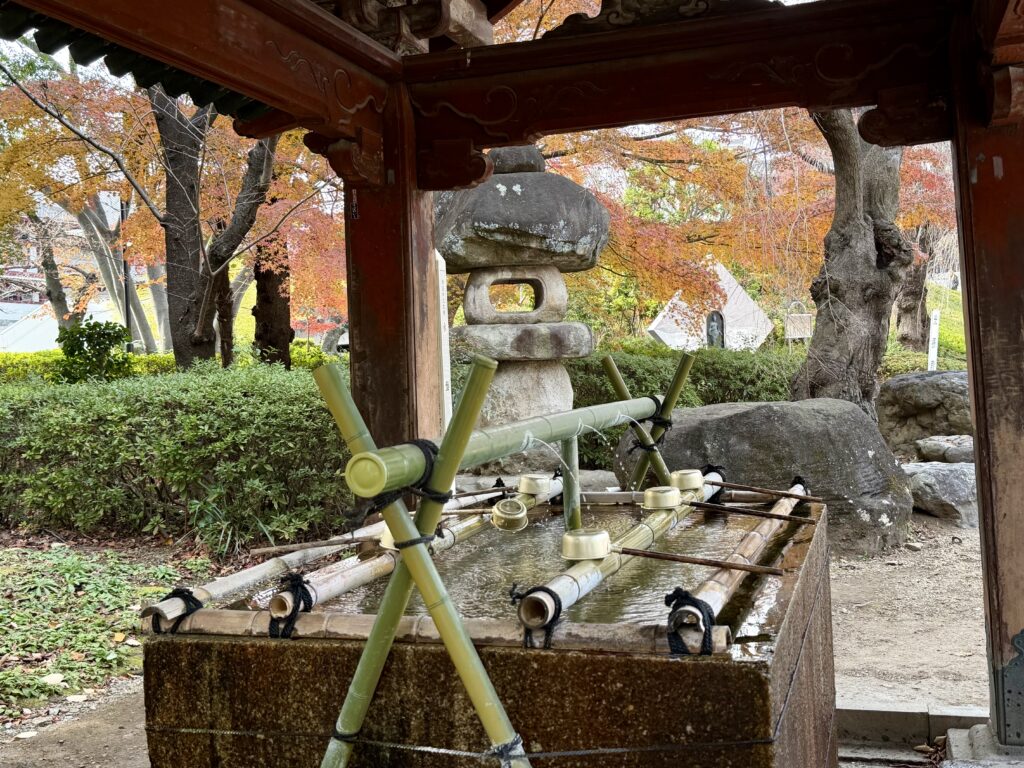
The next morning we packed up and checked out and left our bags at the hotel. Our flight wasn’t until 10pm out of Narita so we had a good portion of the day to explore. We decided to go see Zojo-ji Temple (https://www.zojoji.or.jp/en/). I had been there on one of my first trips to Tokyo when I moved there in 2008. It’s close to Tokyo Tower (https://en.tokyotower.co.jp) so we got a good view of that on the walk there from the train station (when I lived there the Tokyo Skytree had not yet opened – so Tokyo Tower was a popular place for good views of the city) – it looks like a red Eiffel Tower. It was the tallest tower in the world when it was built in 1958 and was the tallest tower in Japan until the Skytree opened in 2012.
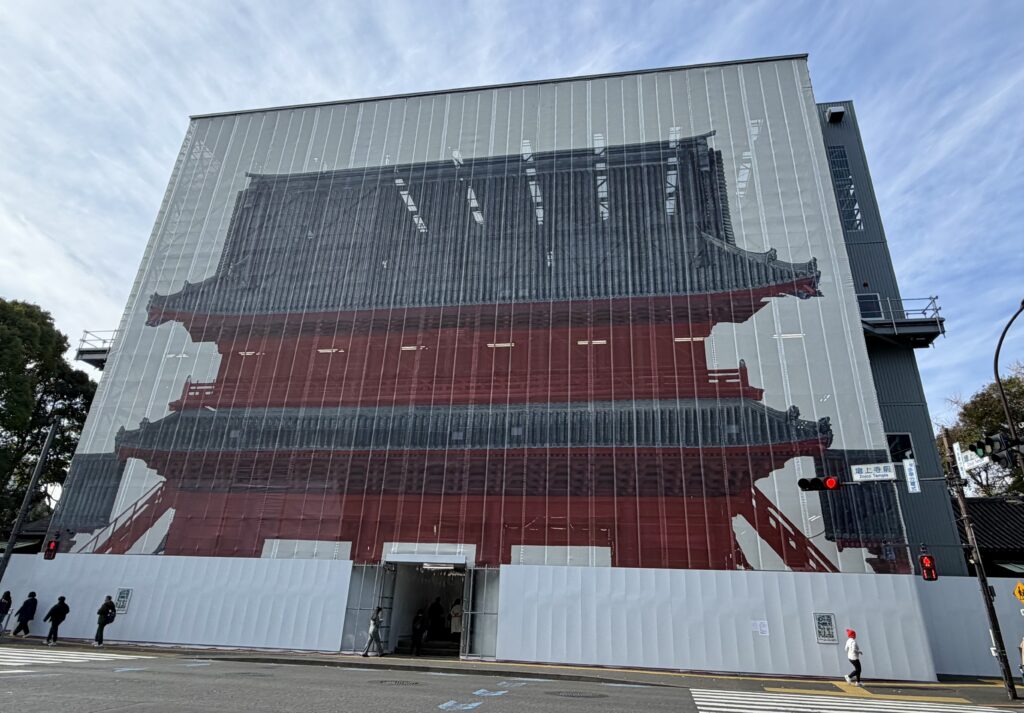
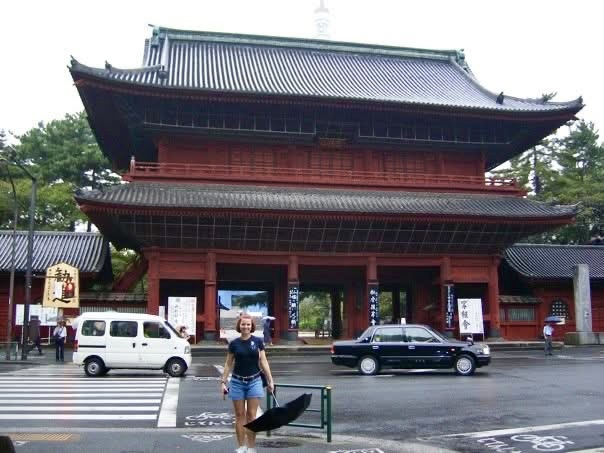
When we got to Zojo-ji Temple, we realized the main entrance was under construction. So I included an old picture that I took back in 2008 (my friend Nicole in the photo) to show you what it looks like. But I also love that they put a picture of it on the scaffolding to show you.
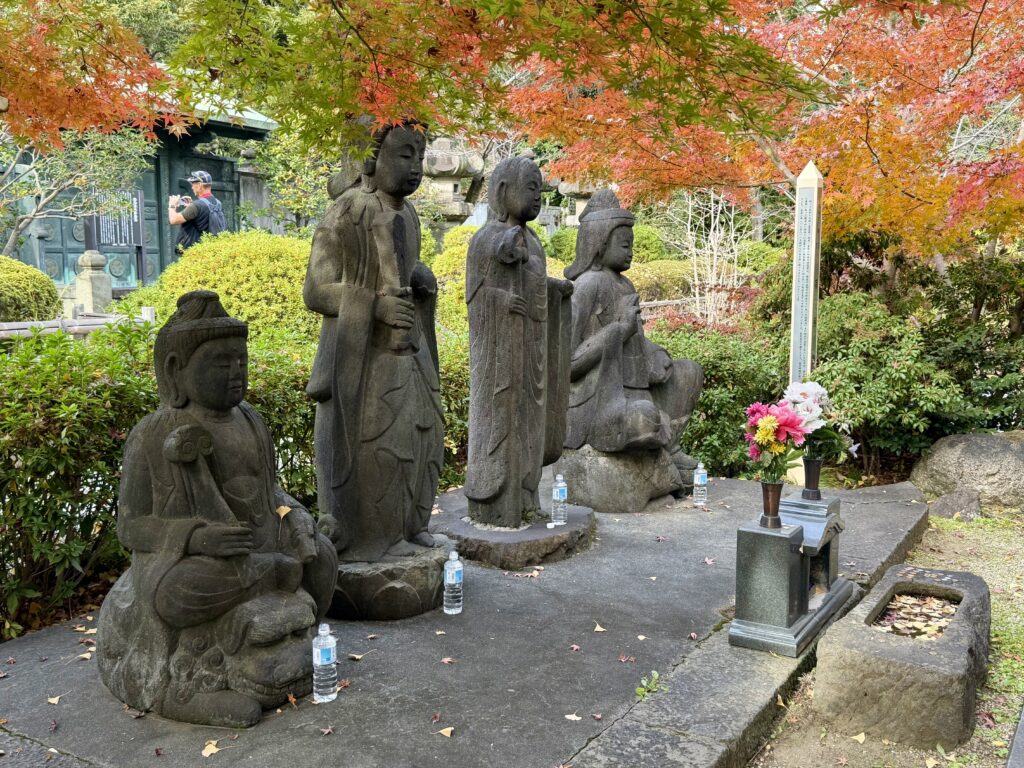
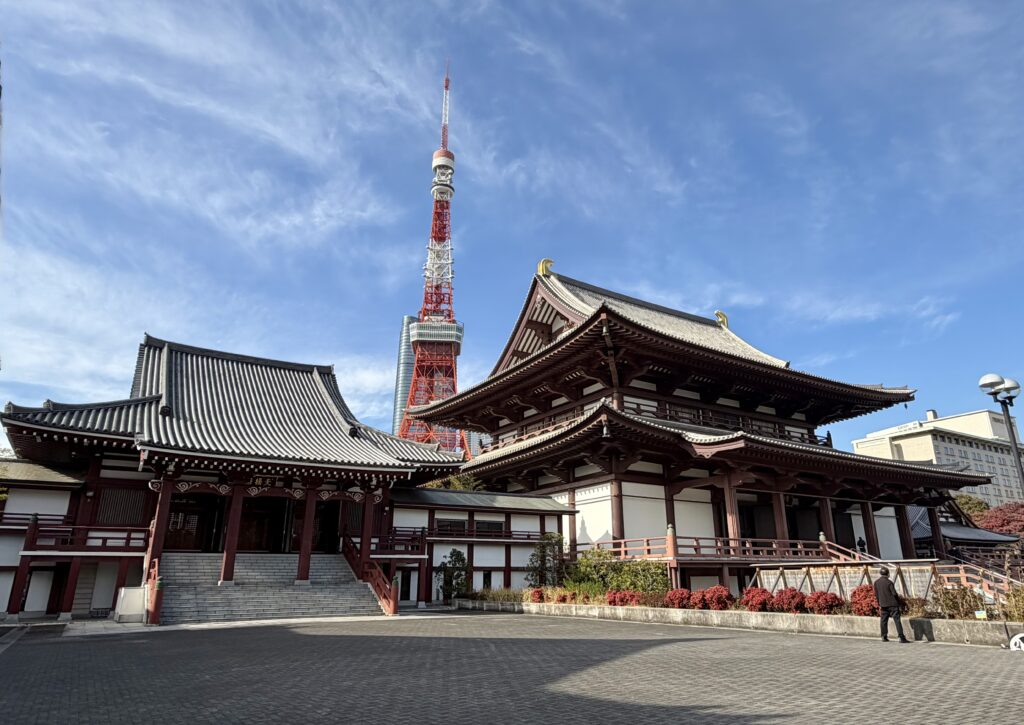
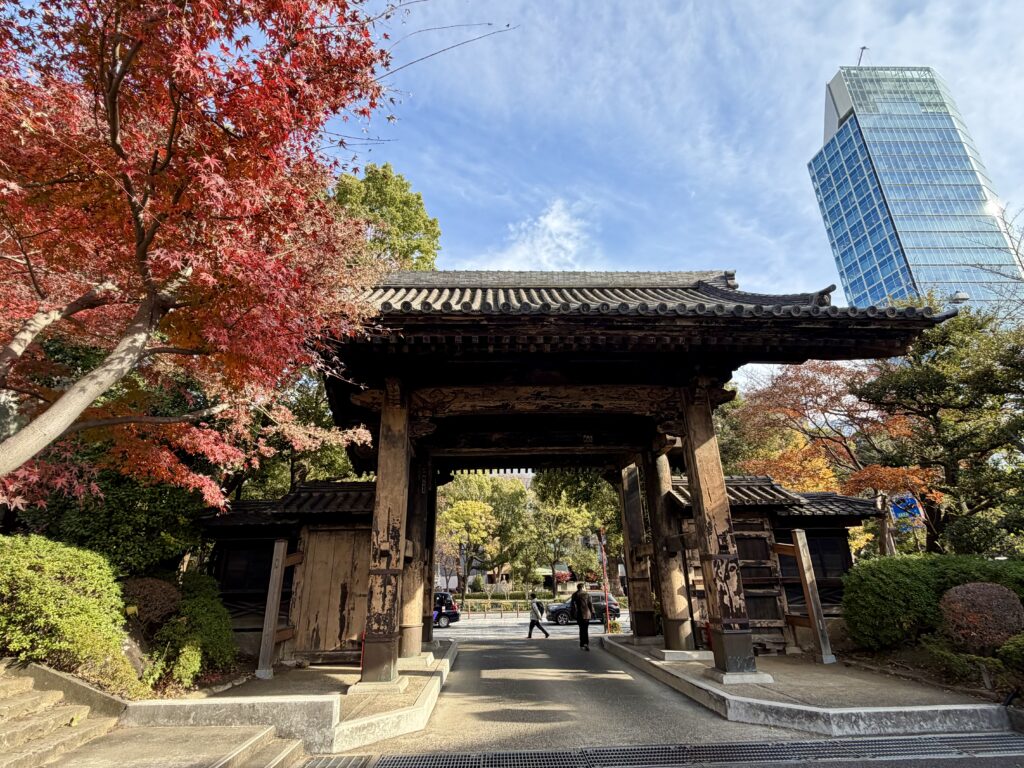
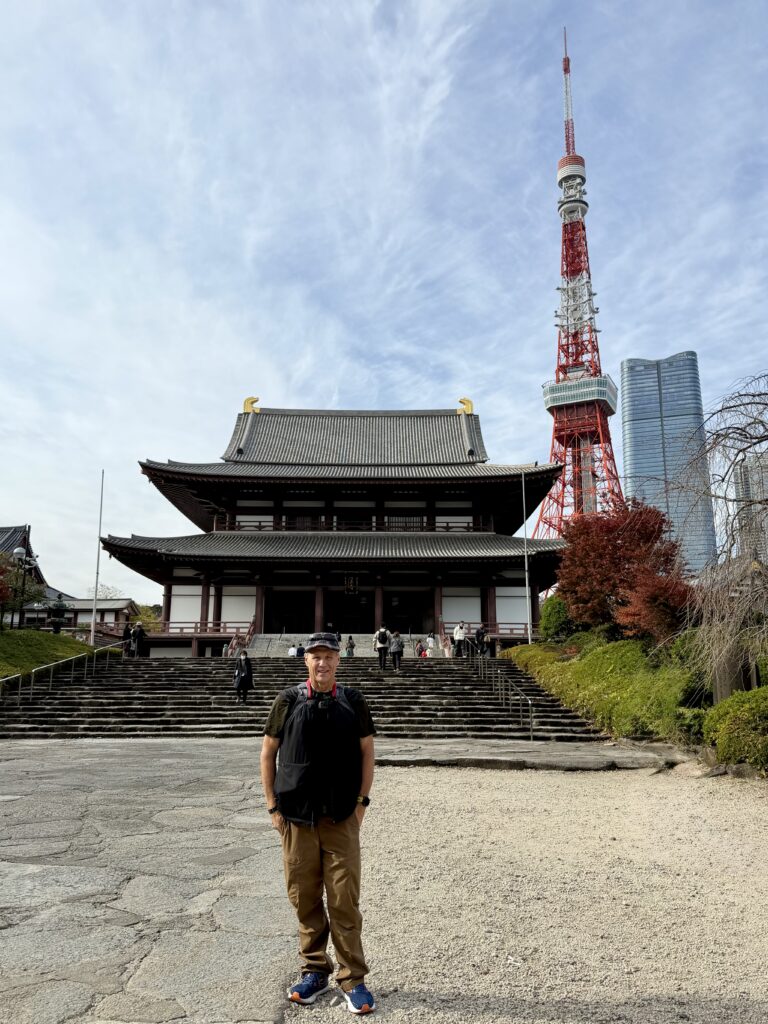
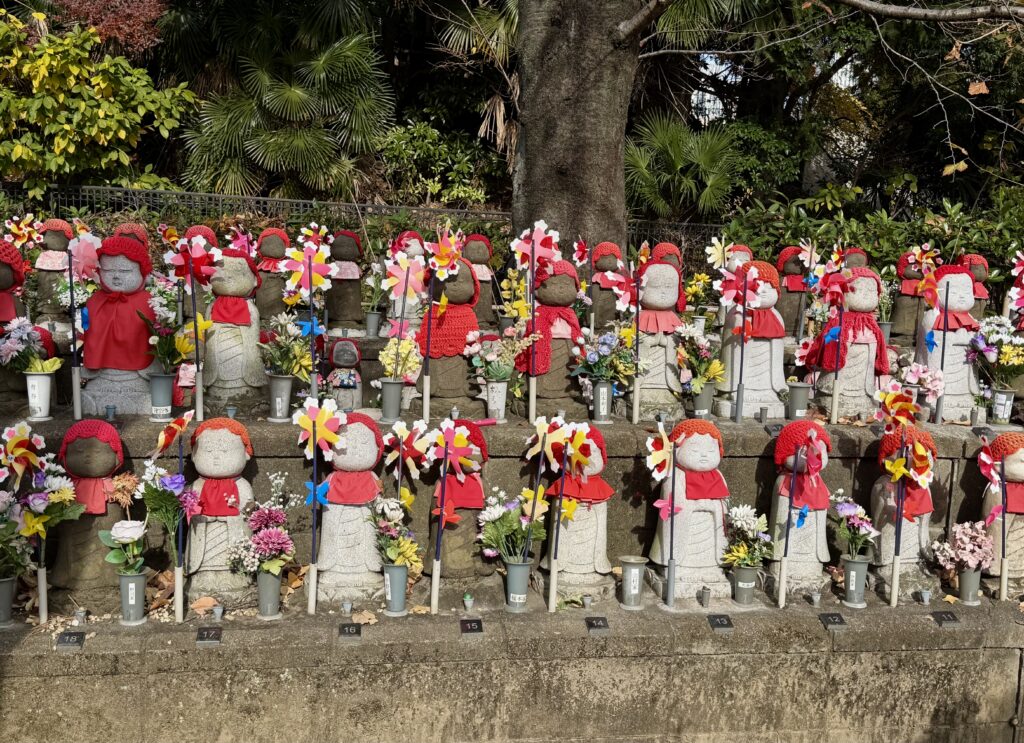
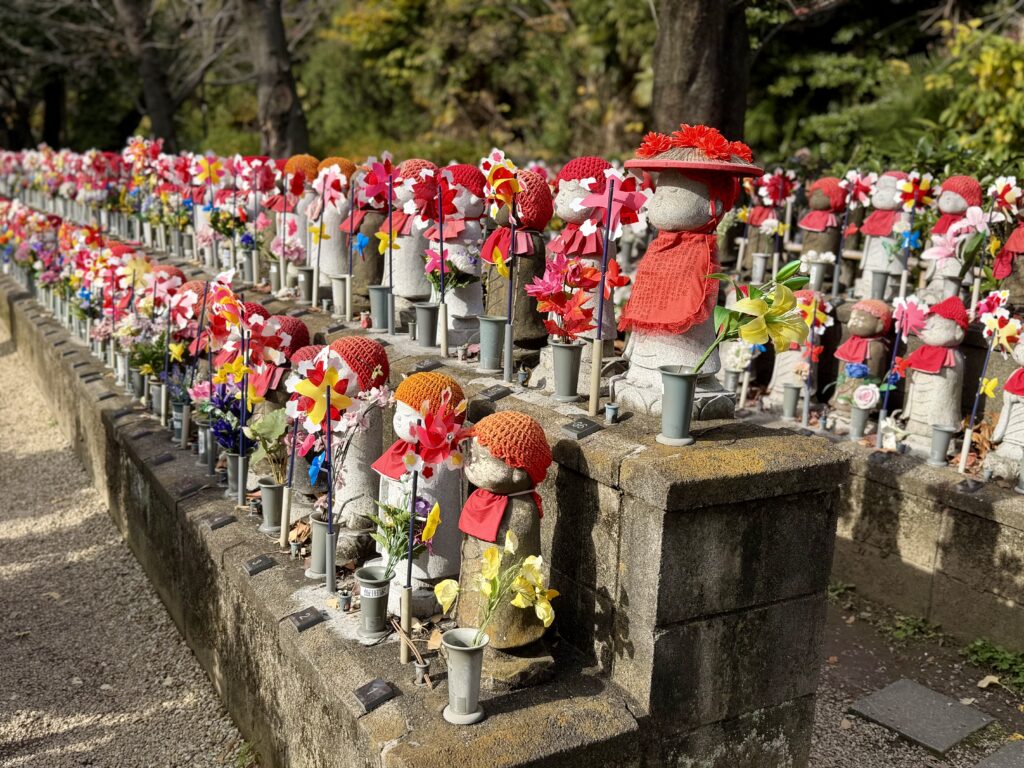
The one thing I particularly remembered about this temple was the stone statues of children. They are the “care guardian deities of children” and are dedicated for the safe growth of children and grandchildren, as well as for the memorial service for stillborn or miscarried children.
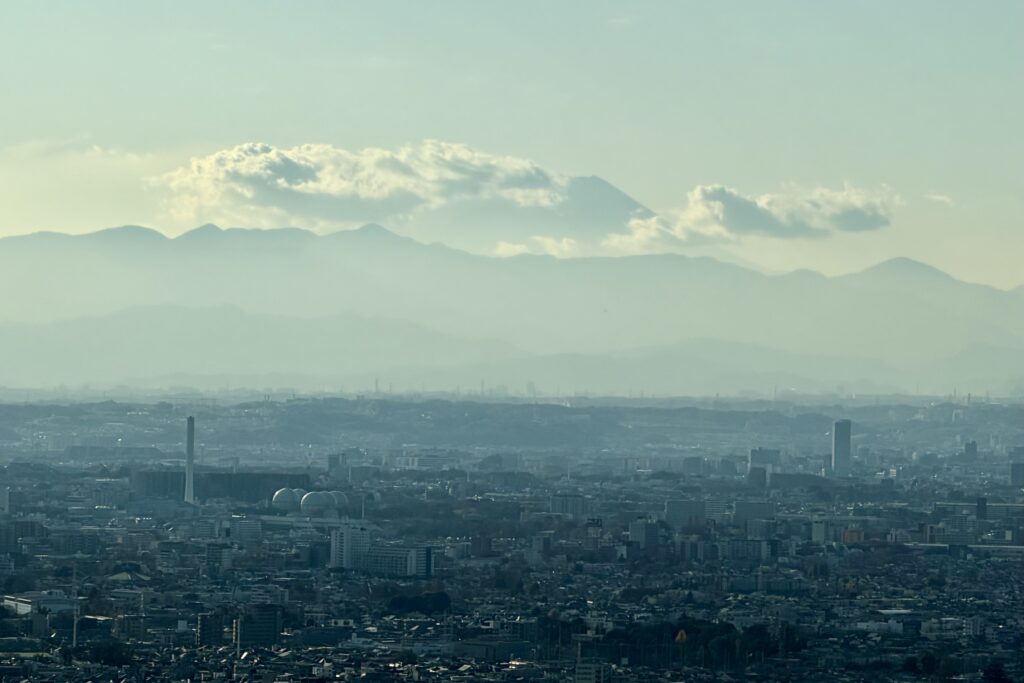
We then headed back to the Tokyo Metropolitan Government Building to check out the view from the North Tower observation deck. It was a bit more cloudy and hazy but we still got to see Mt Fuji one more time.
The building is near Shinjuku station so we also checked out this cool screen in Shinjuku one more time.
After that we headed back to the hotel, grabbed out luggage and made our way to Narita to fly out to Doha.