
A couple of months ago we visited Belfast and Derry/Londonderry in Northern Ireland, which were the start of the years-long – and in many ways still ongoing – conflict between Protestant Loyalists (those loyal to Great Britain) and Catholic Republicans (those who want a united Republic of Ireland) know as The Troubles. The violence and division began centuries ago but this most recent bout began during the Civil Rights Movement of the 1960’s as Catholics protested discrimination by Protestants and the British Government. In 1969 things boiled over in Derry/Londonderry when the Battle of the Bogside occurred as the Apprentice Boys who are a Protestant Loyalist Group provoked the Catholic Nationalists by marching through the predominantly Catholic Bogside neighborhood, leading to a three day riot between the two sides. As it was clear that the Royal Ulster Constabulary of Northern Ireland couldn’t contain the riot, the British Military was brought in. This is considered the true start of the 30 year period known as The Troubles.
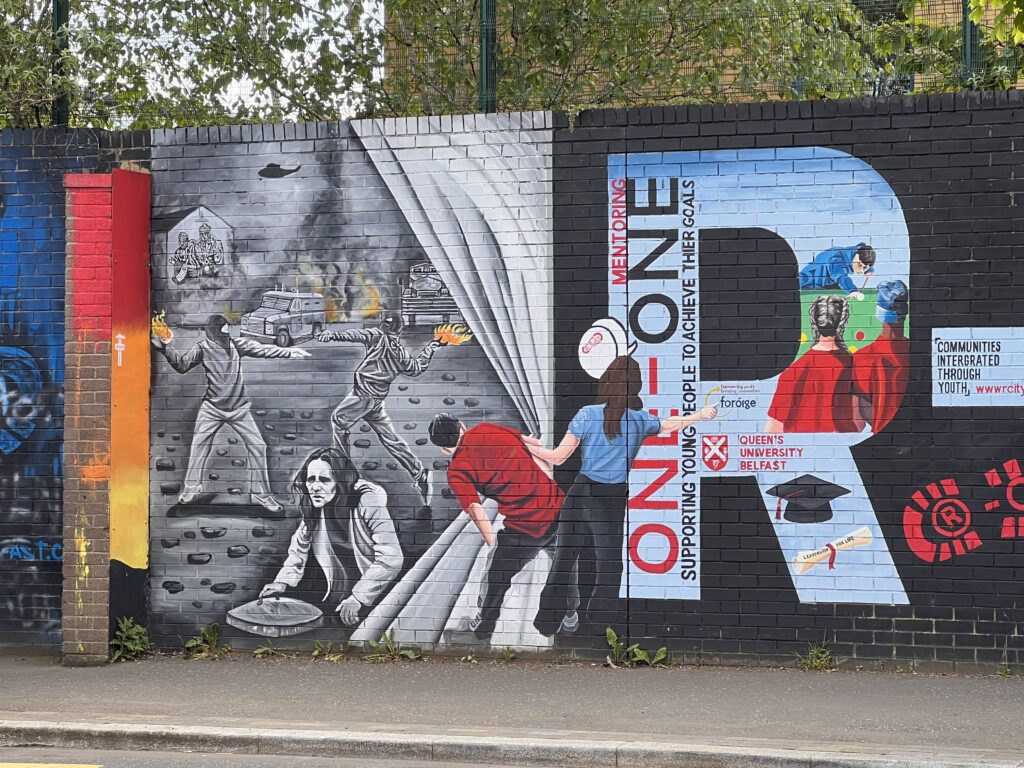
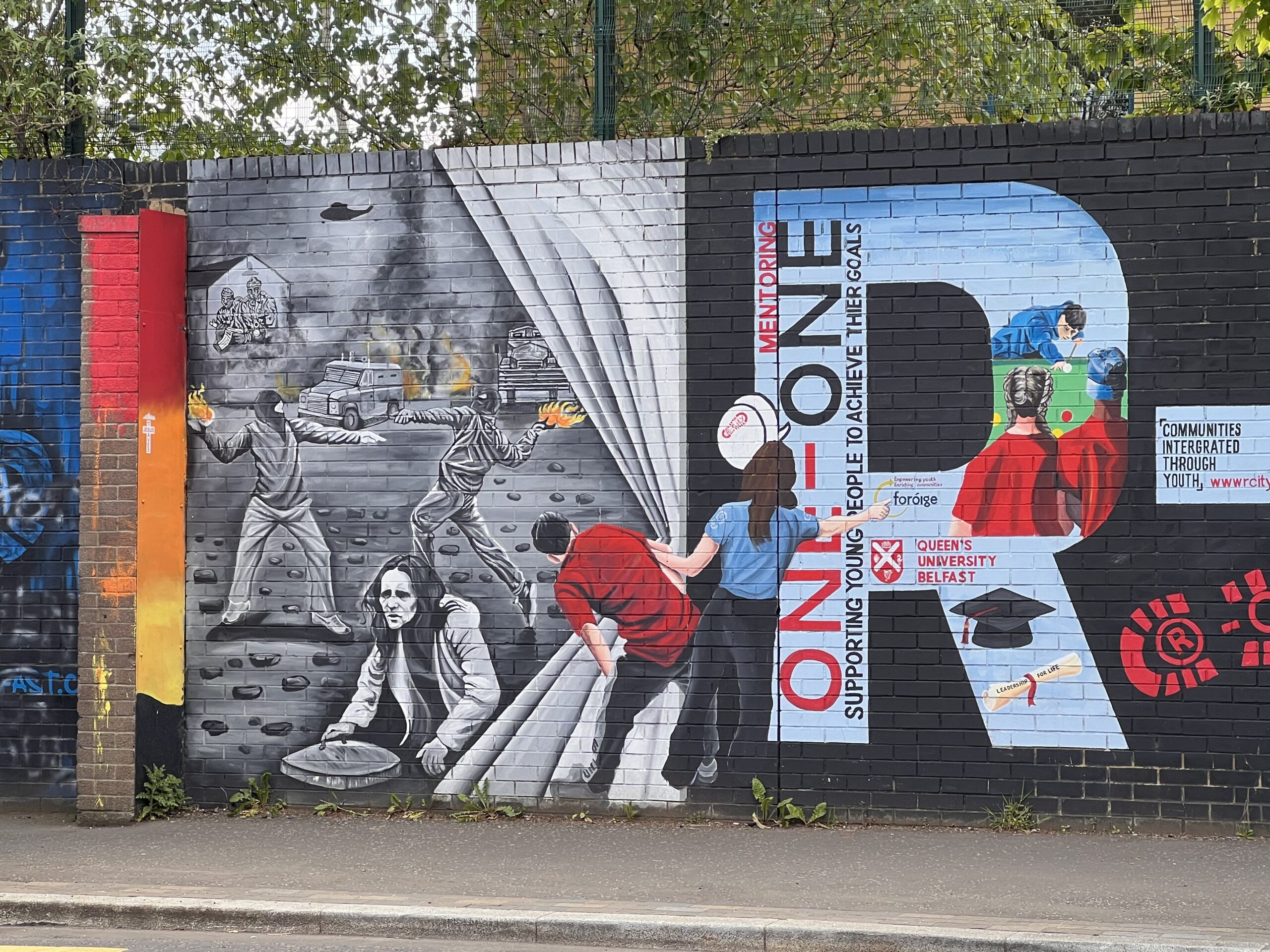
The above mural is located at one of the main gates in Belfast. I start out with this one because it represents the choice that those in Derry and Belfast have in front of them. Continue reliving the past, or look forward to what could be.
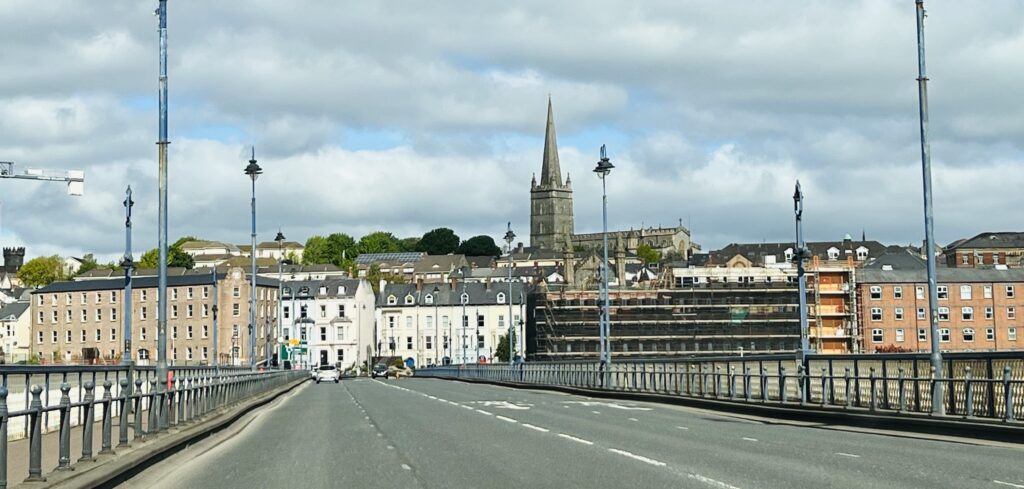
Entering Derry/Londonderry
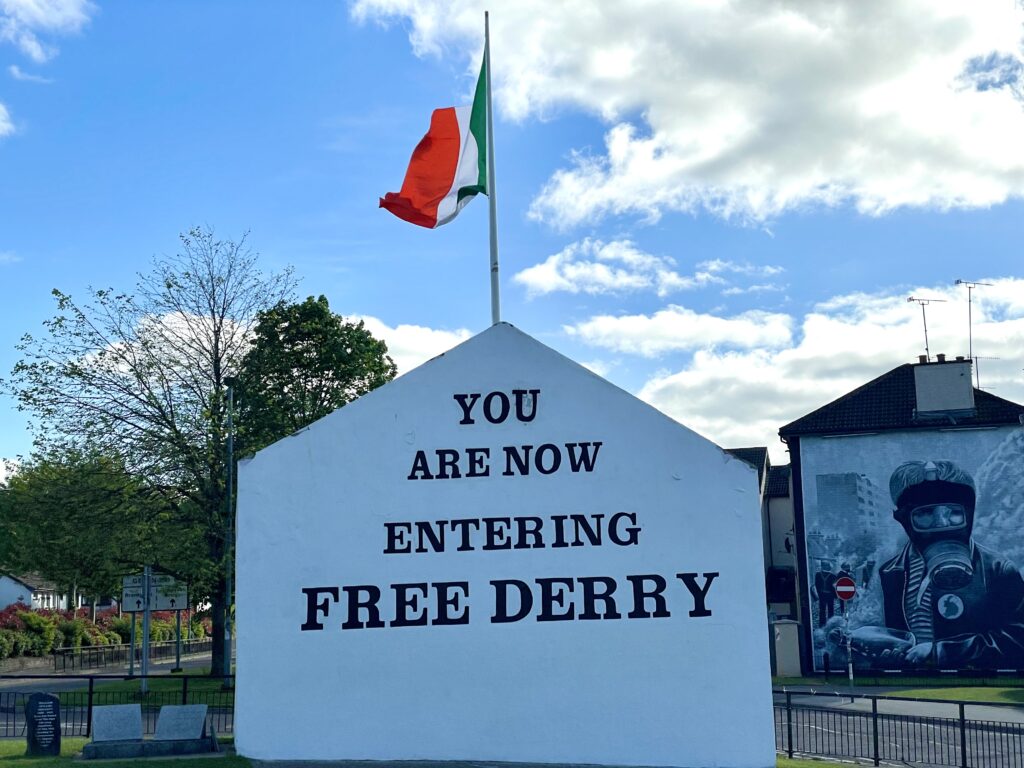
As you enter the Bogside area, you are greeted with this wall stating that you are now entering the autonomous zone where Catholic Nationalists self-governed. This became a No-Go Zone for the Royal Ulster Constabulary. This street was also the site of the tragic and infamous Bloody Sunday.
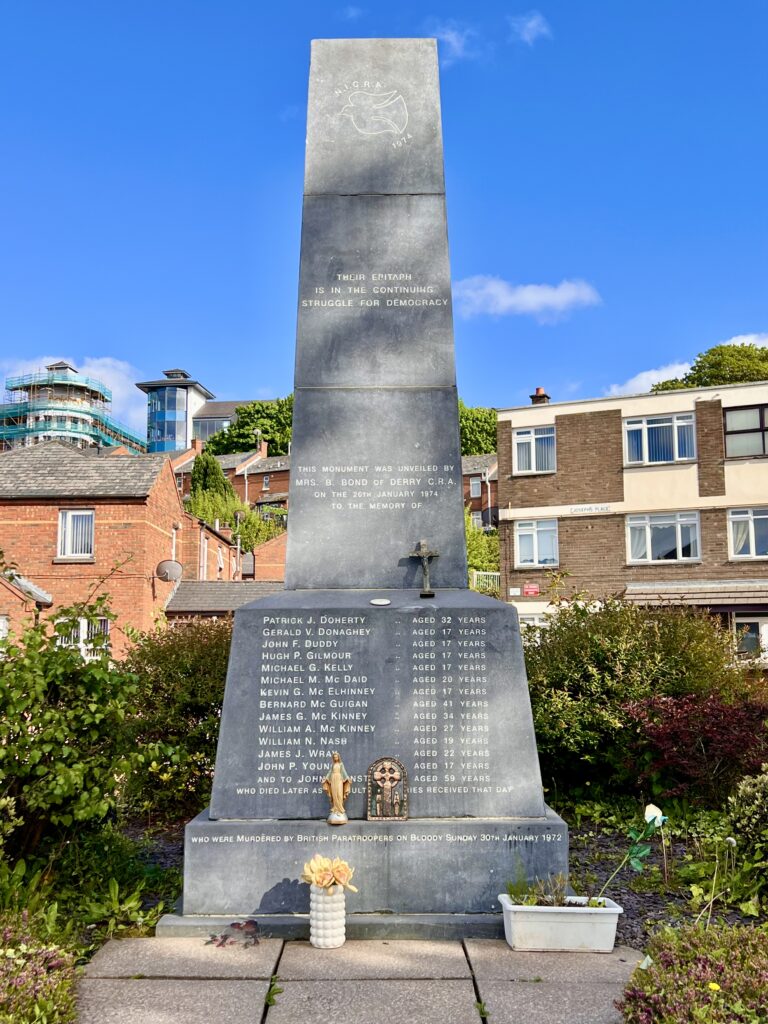
A memorial to those killed on Bloody Sunday. The Bogside massacre, colloquially known as Bloody Sunday, was an incident where thirteen unarmed men were shot and killed by the British Army at a proscribed anti-internment rally in Derry on 30 January 1972 (a fourteenth man died of his injuries some months later). Fifteen other civilians were wounded as well.
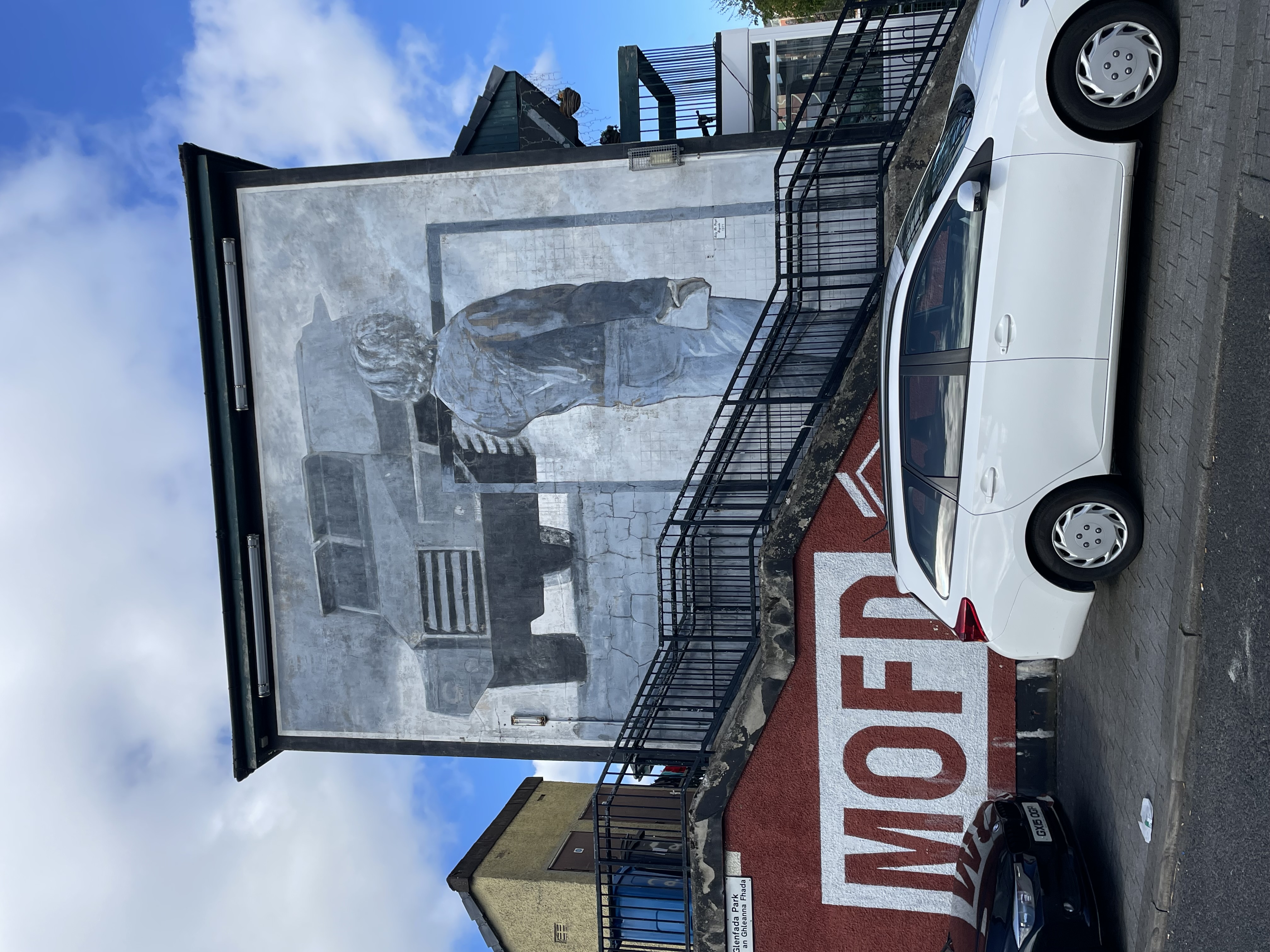
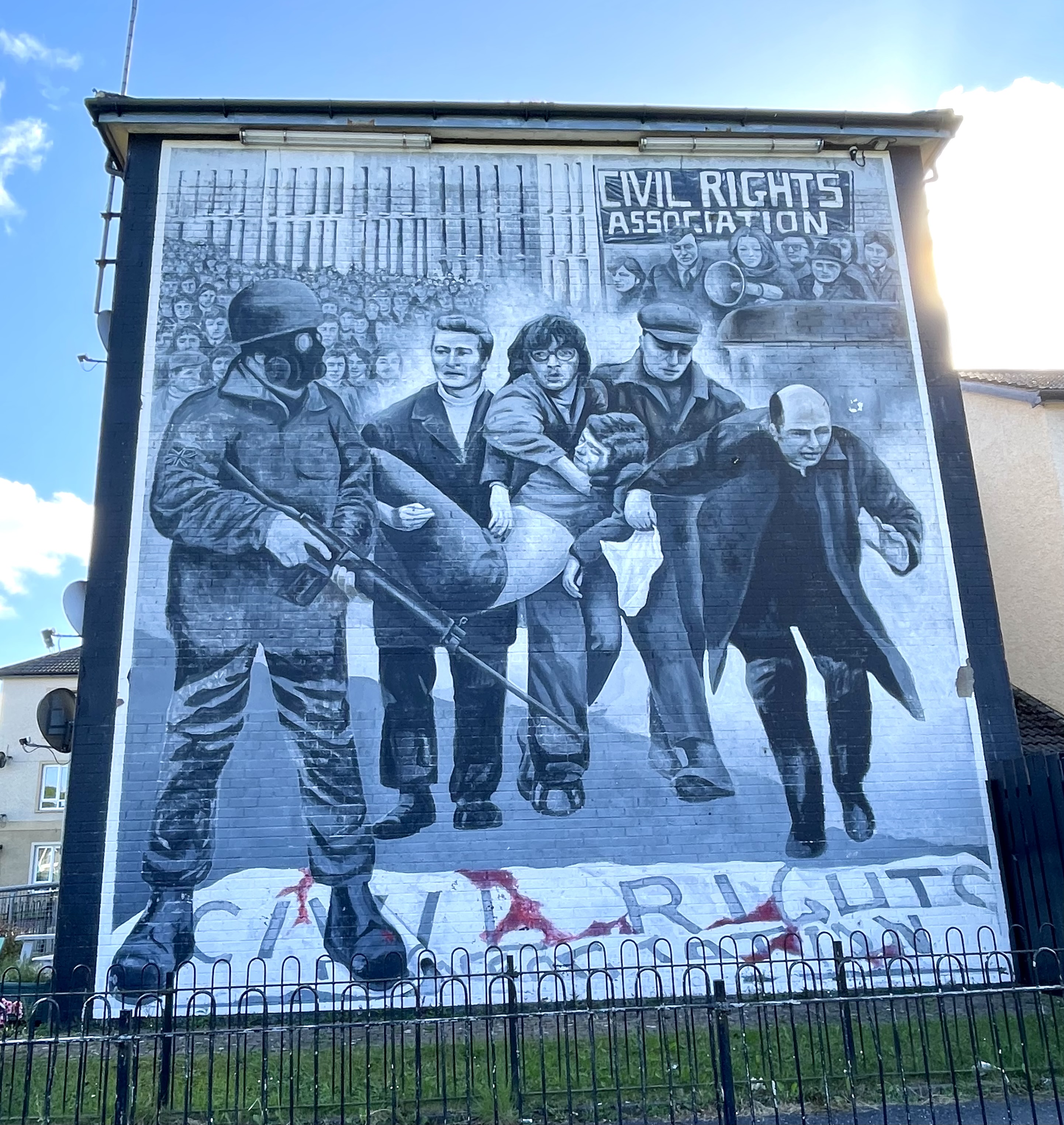
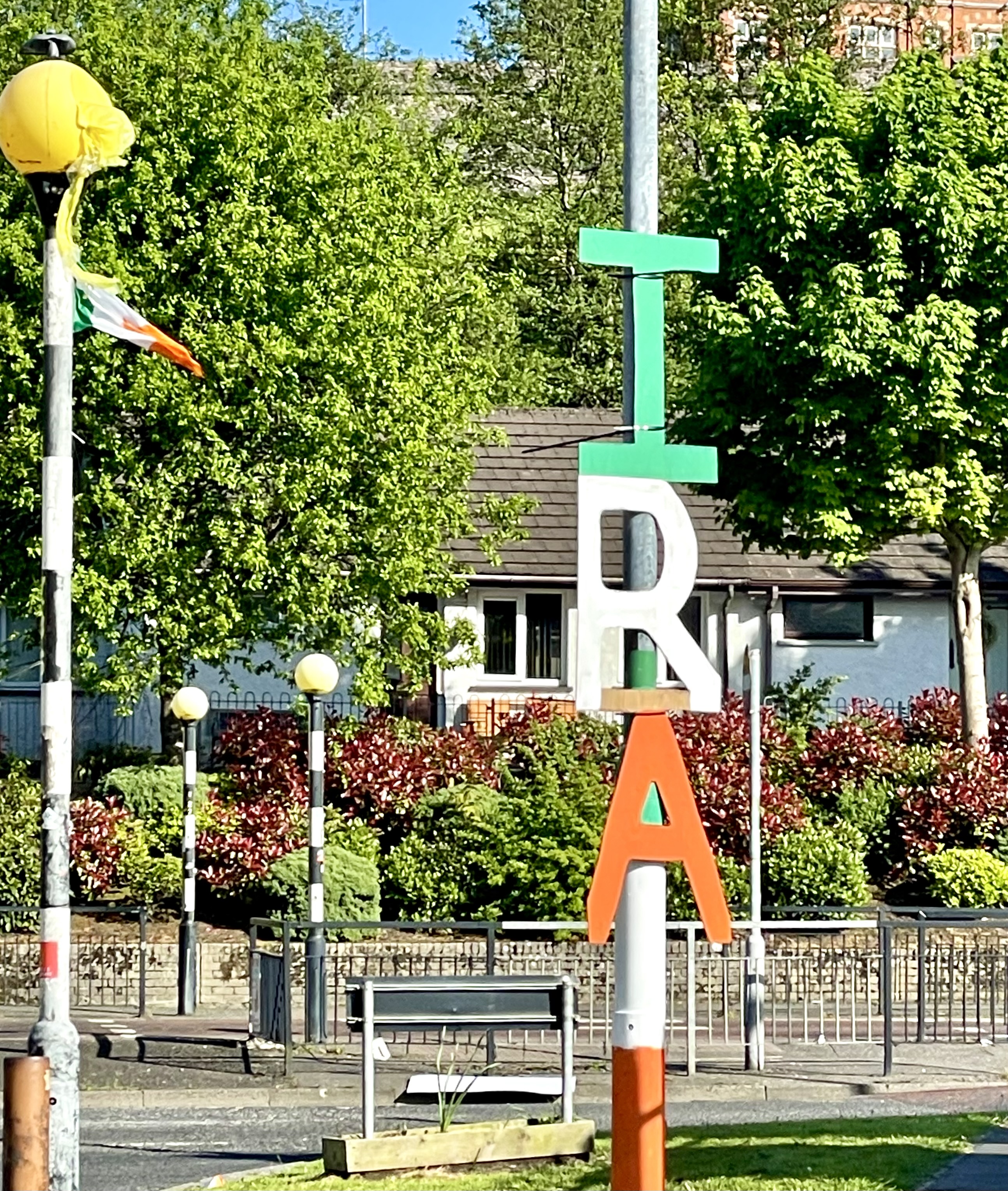
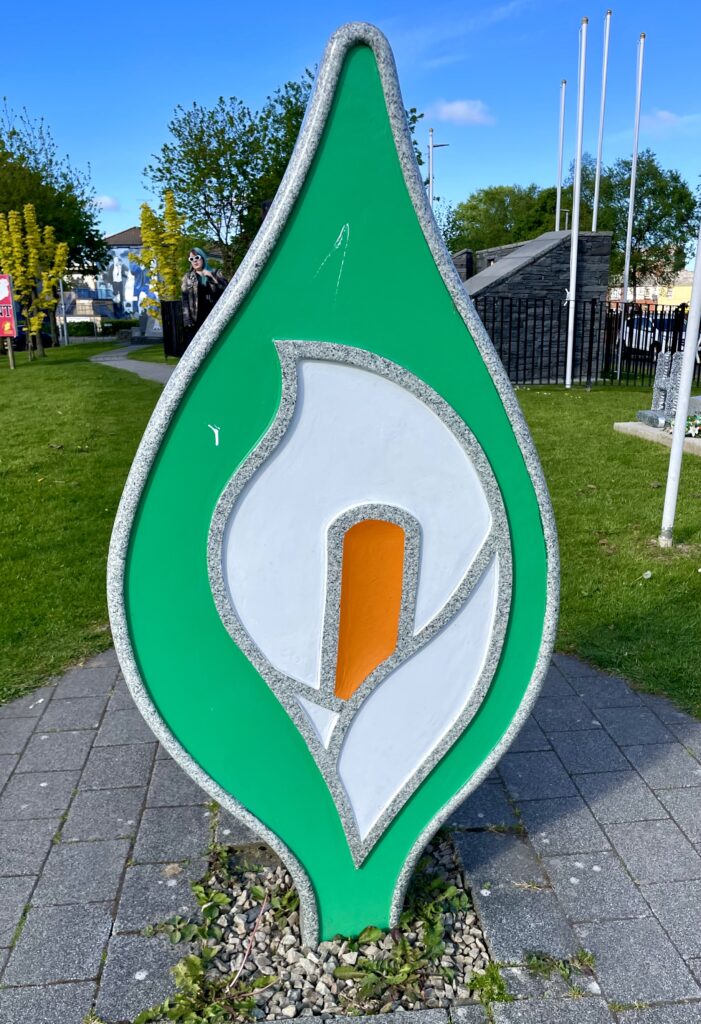
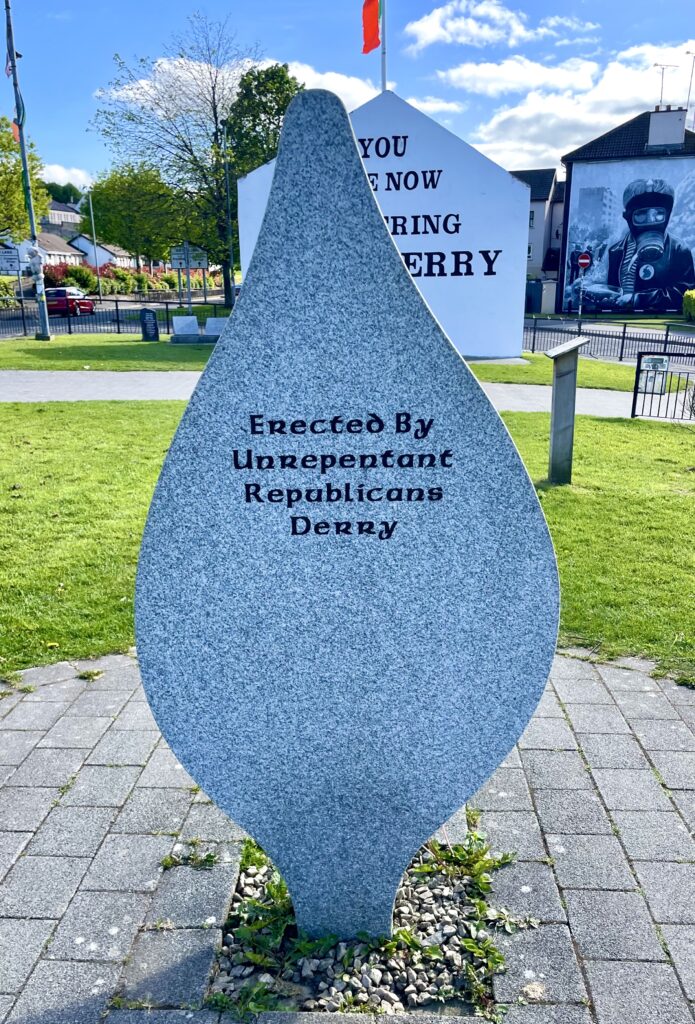
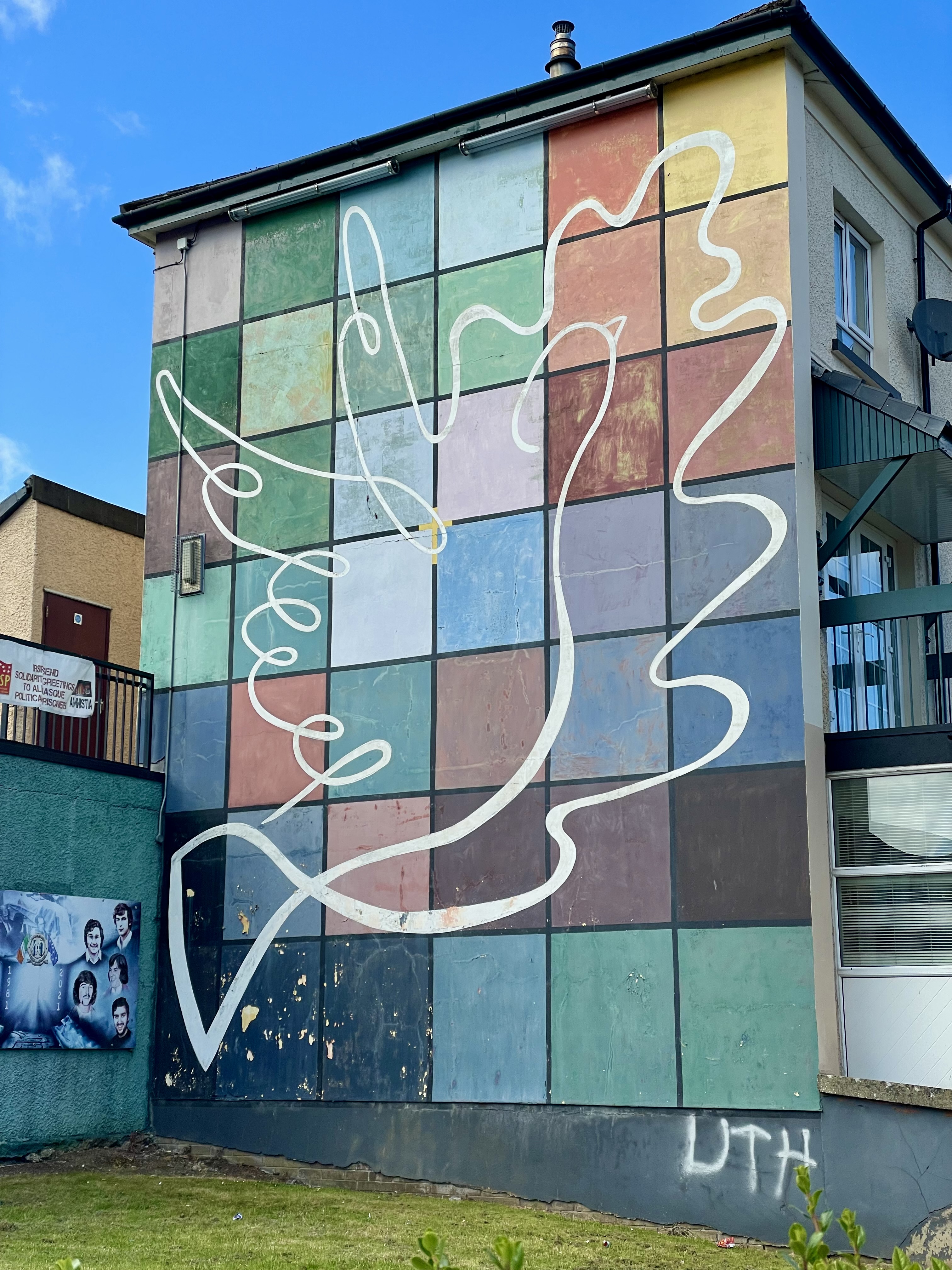
I think what’s most interesting to me is that the residents of both Derry and Belfast live with the constant reminder that they are divided. As we moved on to Belfast, this fact became even more apparent…
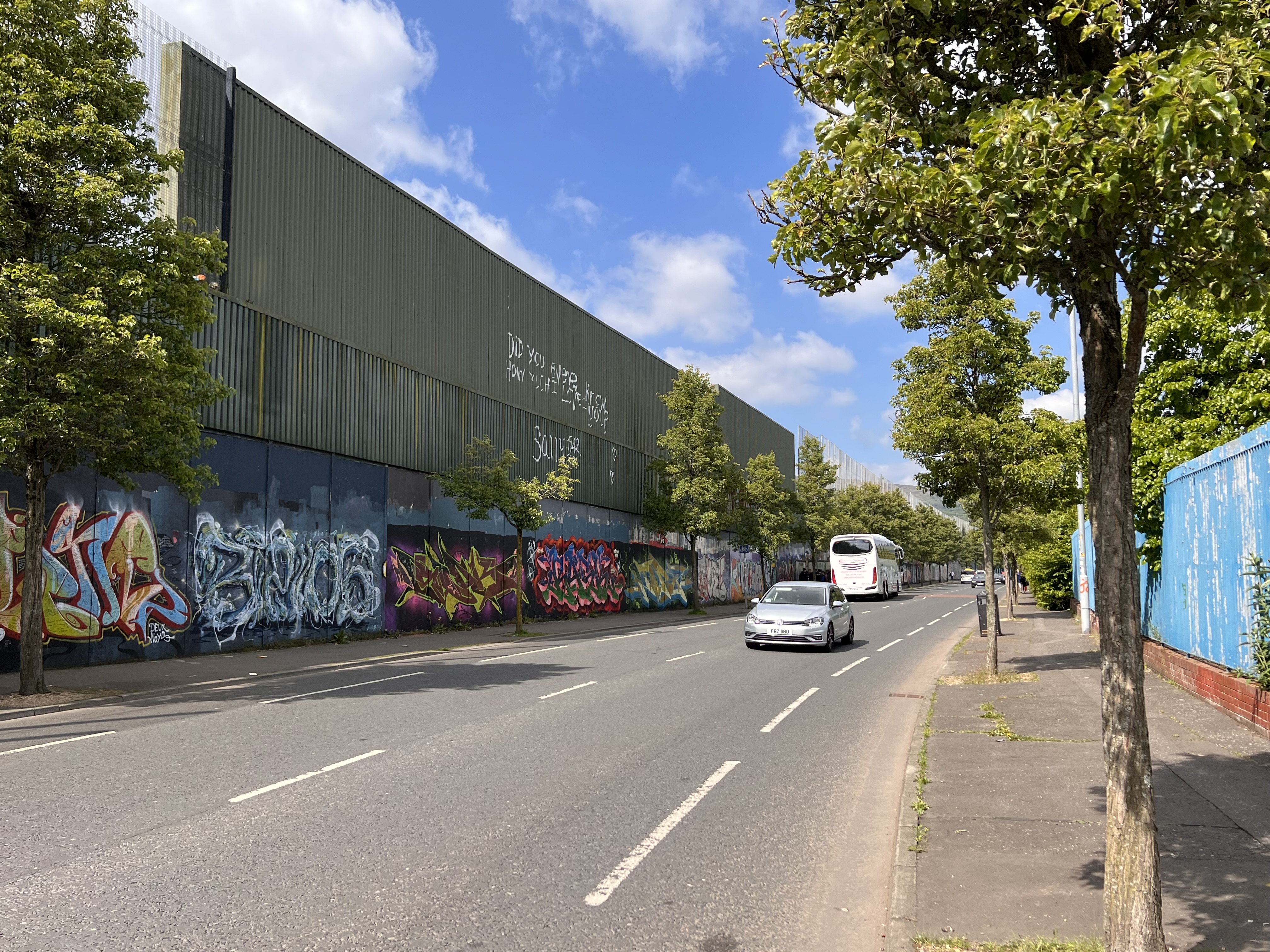
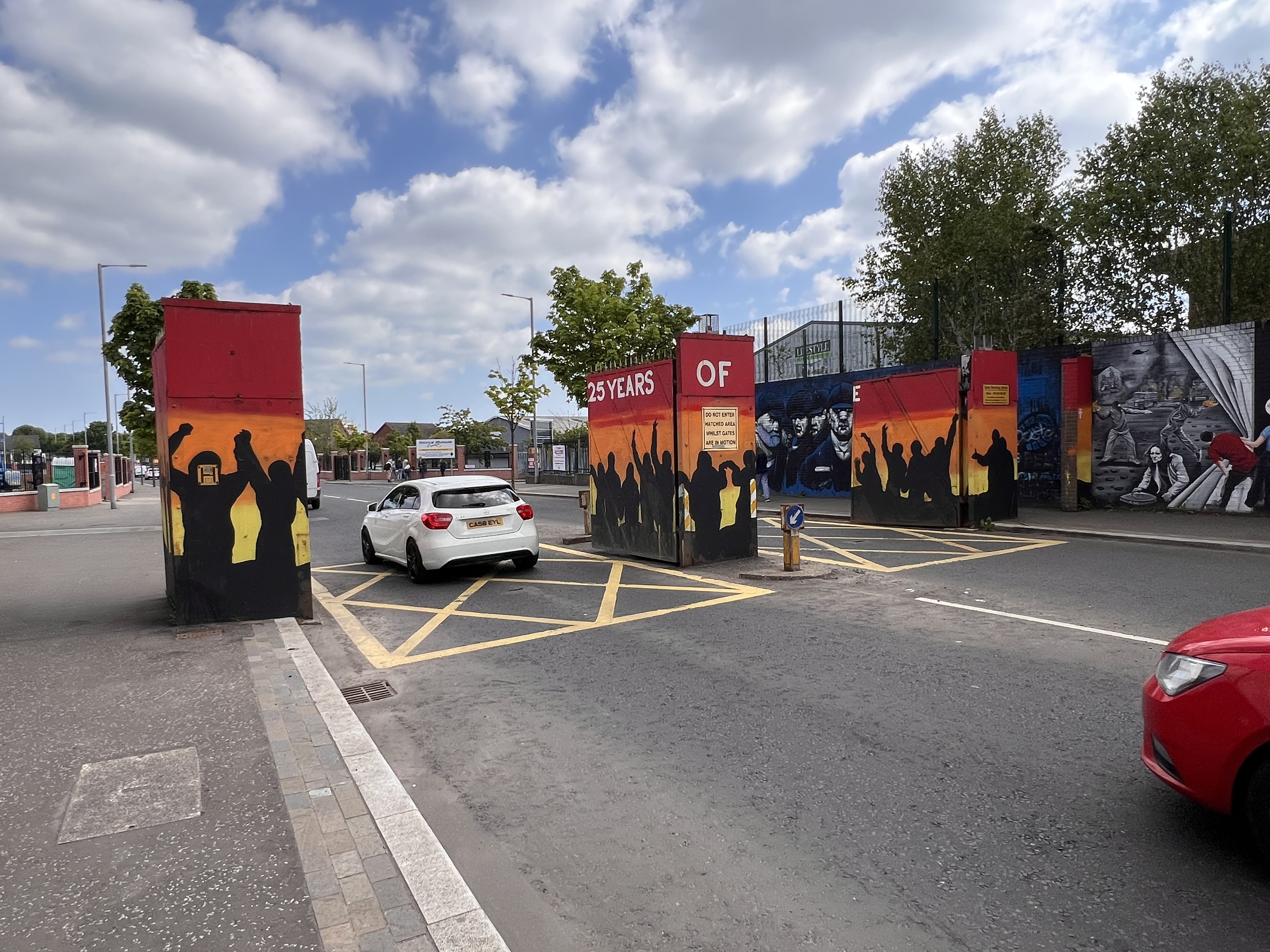
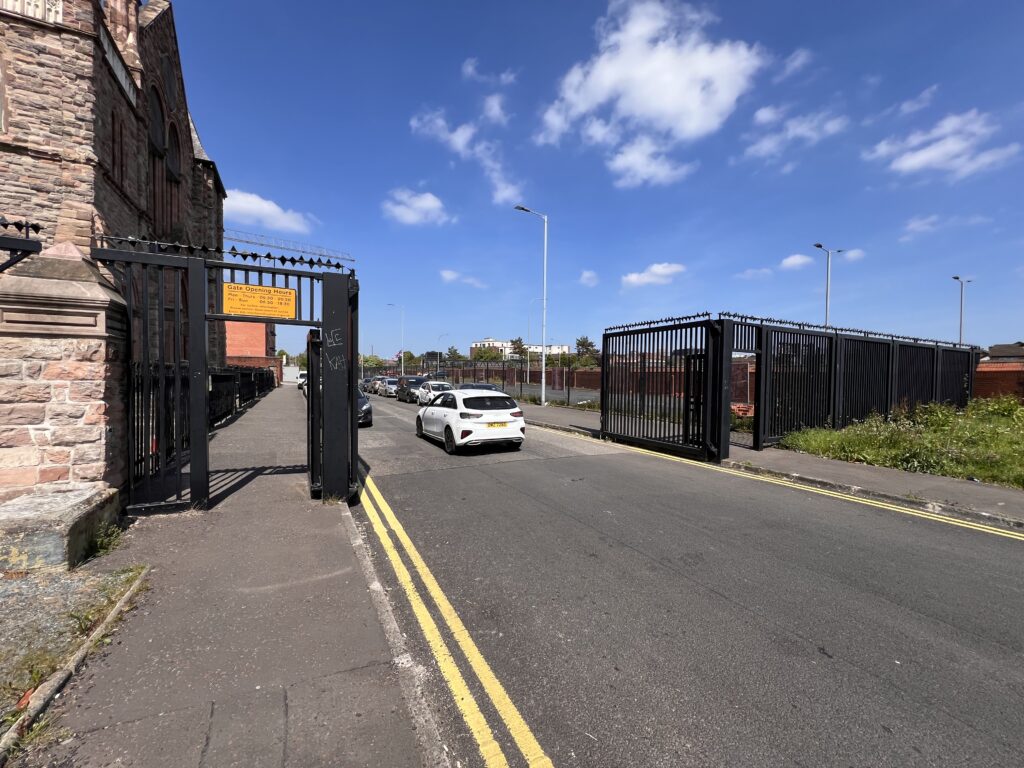
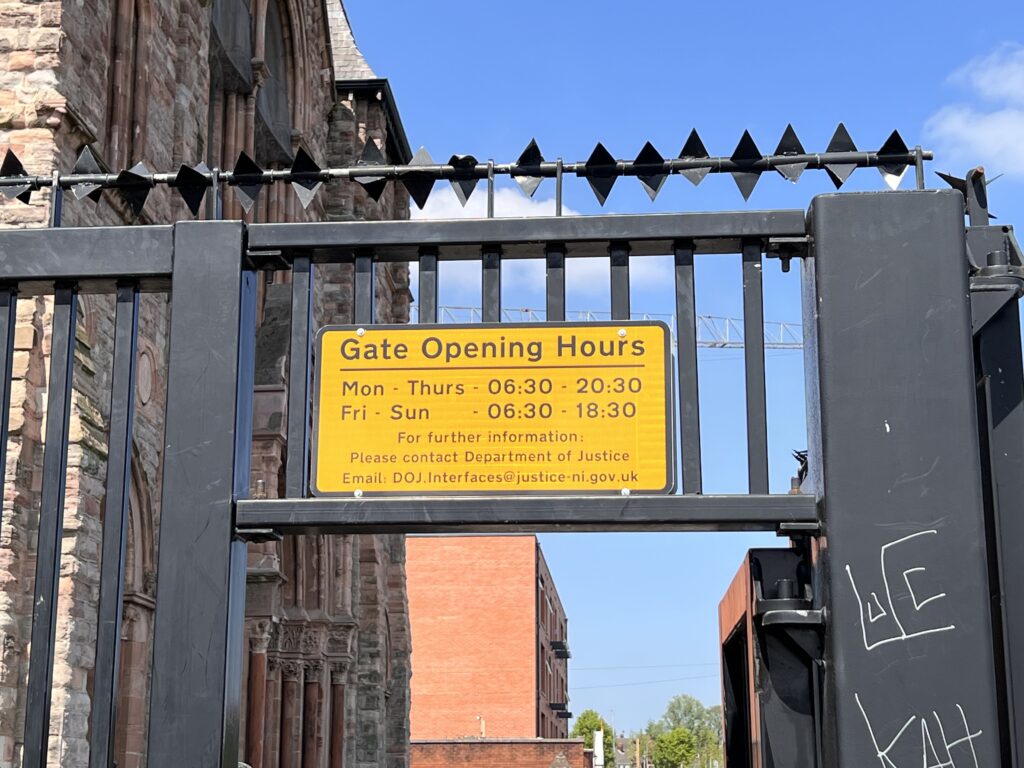
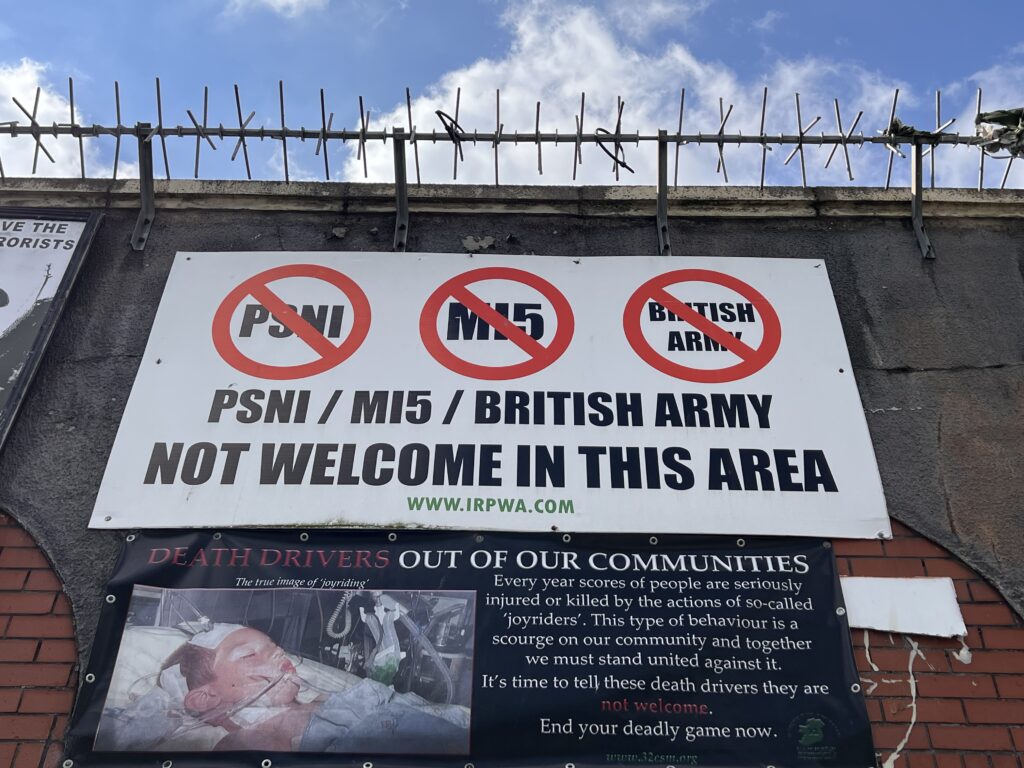
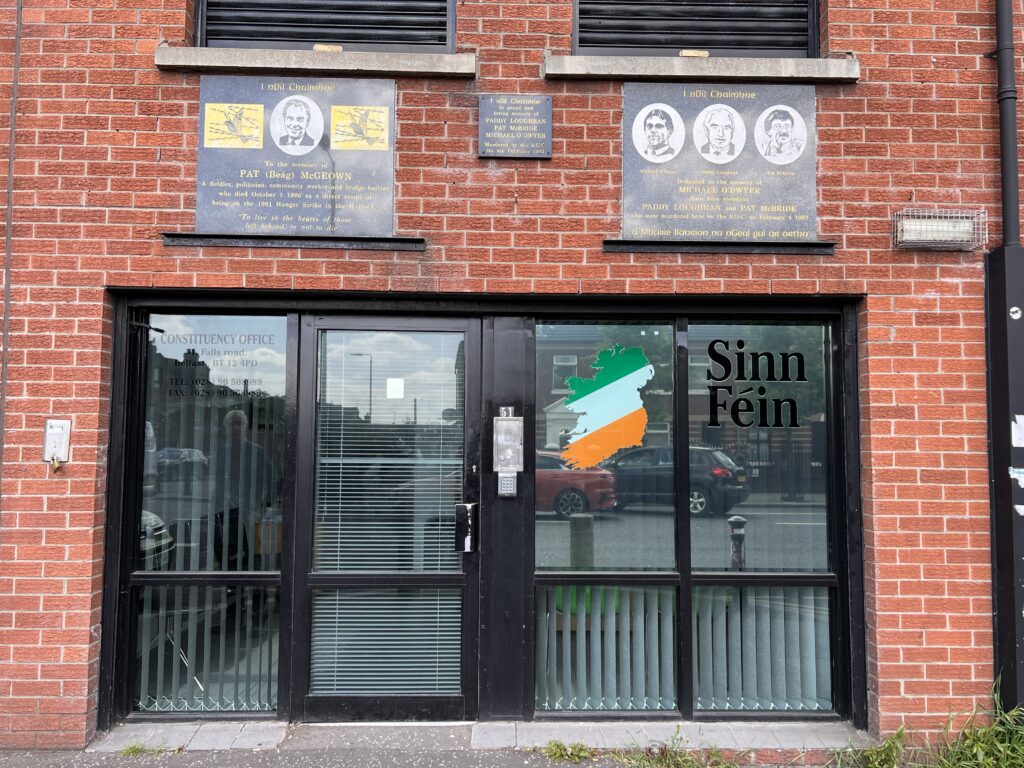
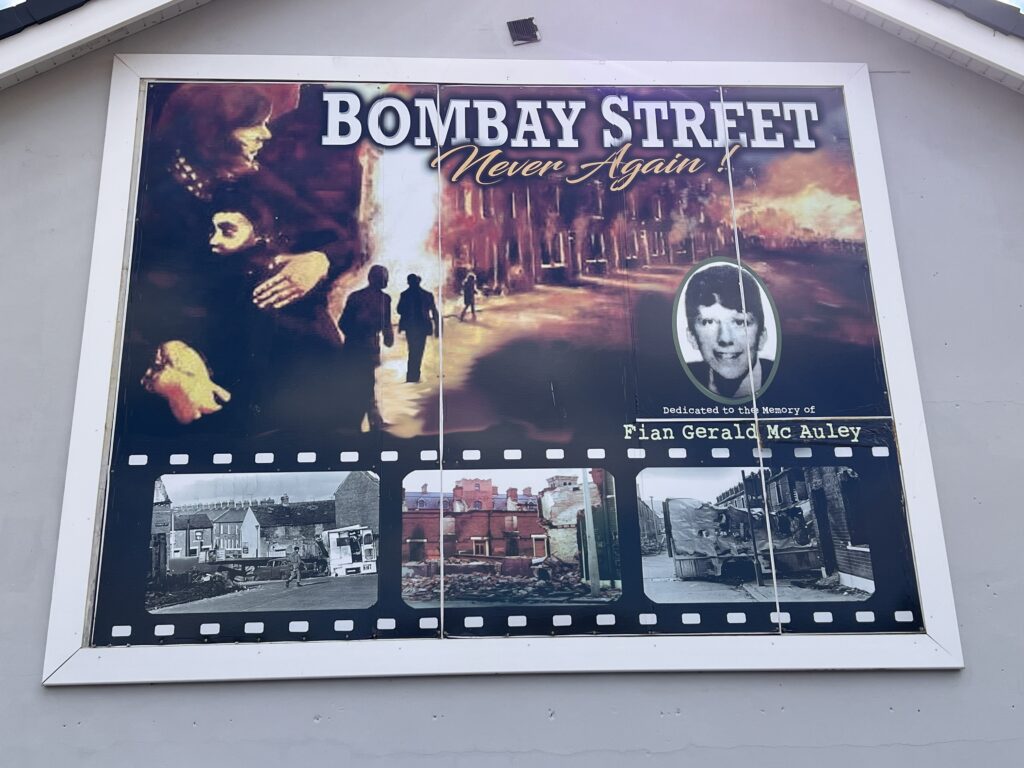
The gates in the above photos still get closed every evening and reopened every morning to keep potential violence at bay. There are memorials to violent attacks that occurred on places like Bombay Street along with warnings that the British Army and PSNI (Police Service of Northern Ireland) are not welcomed.
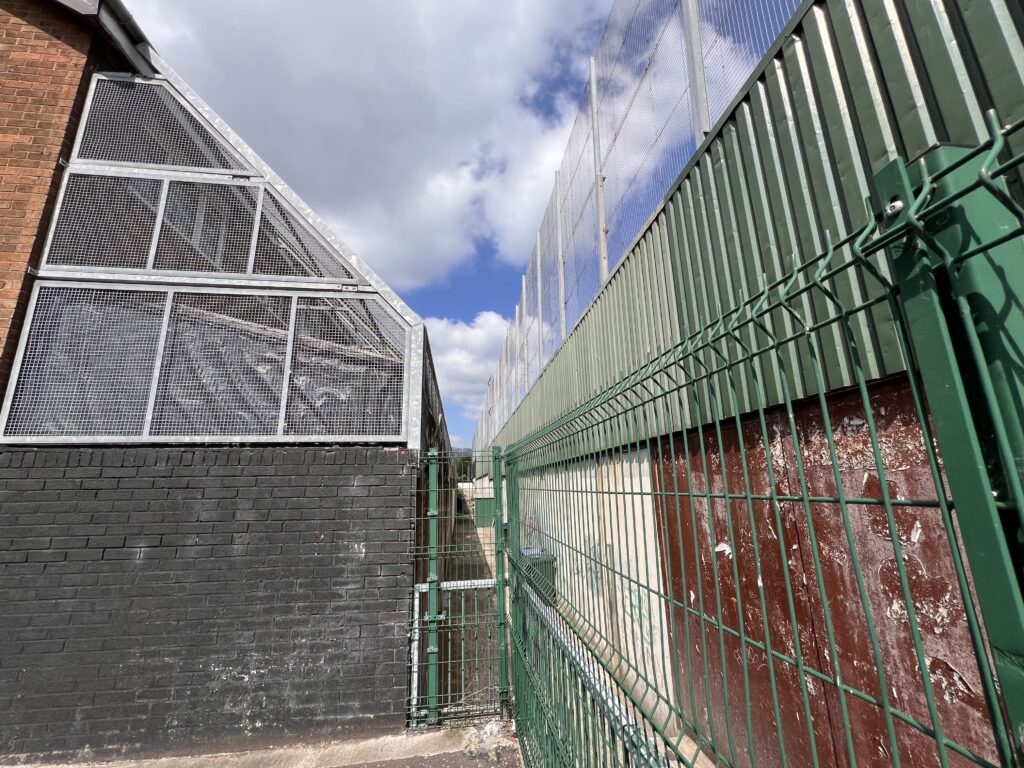
The above photo shows how residents protect themselves from incoming attacks. This house on the Catholic side is fitted with a cage over the patio as well as supported tarps to keep projectiles from directly impacting the living spaces.
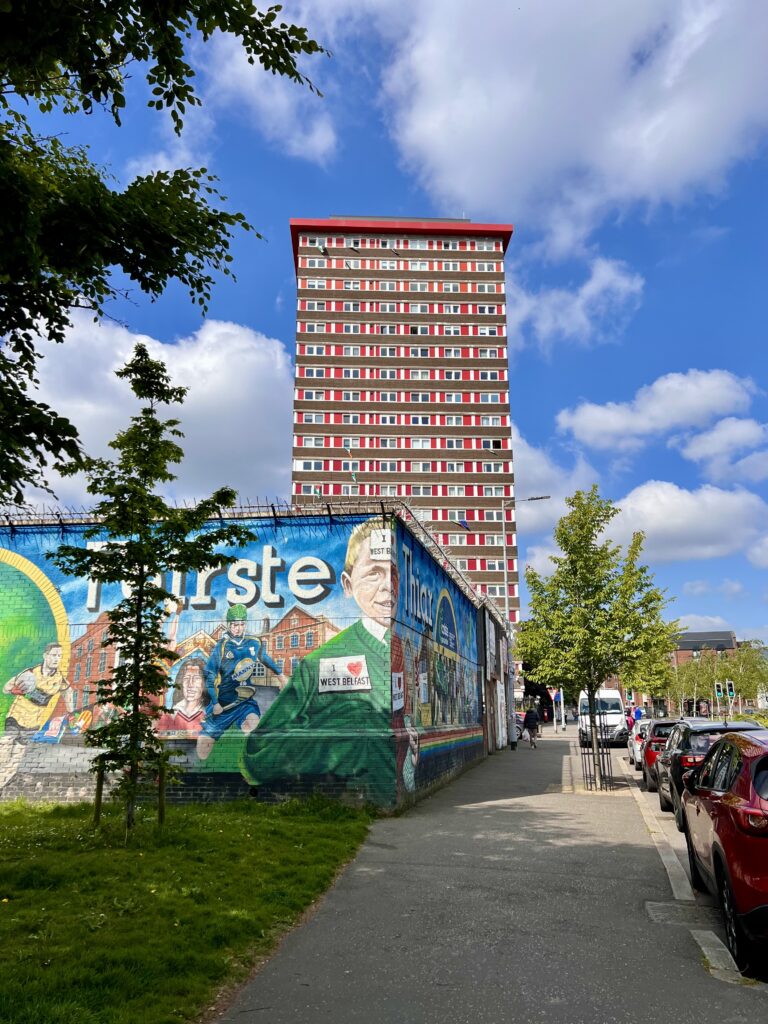
The pictures above give you a small representation of things that are very important to the Catholic Nationalists. Walls and gates to keep out violent attacks from Protestant Loyalists and gates installed to close off the neighborhoods at night for the same reason. When listening to an Irish Catholic who lives near the peace wall if they would like them taken down, the response was “No! Make them 20 feet higher”. See, for Catholics who have been attacked and felt persecuted for decades, those walls are a safety barrier. A way to keep out those they feel are determined to keep them down. For Protestants it is somewhat the same; once the IRA was formed and started attacking back, the walls kept the Catholics contained.
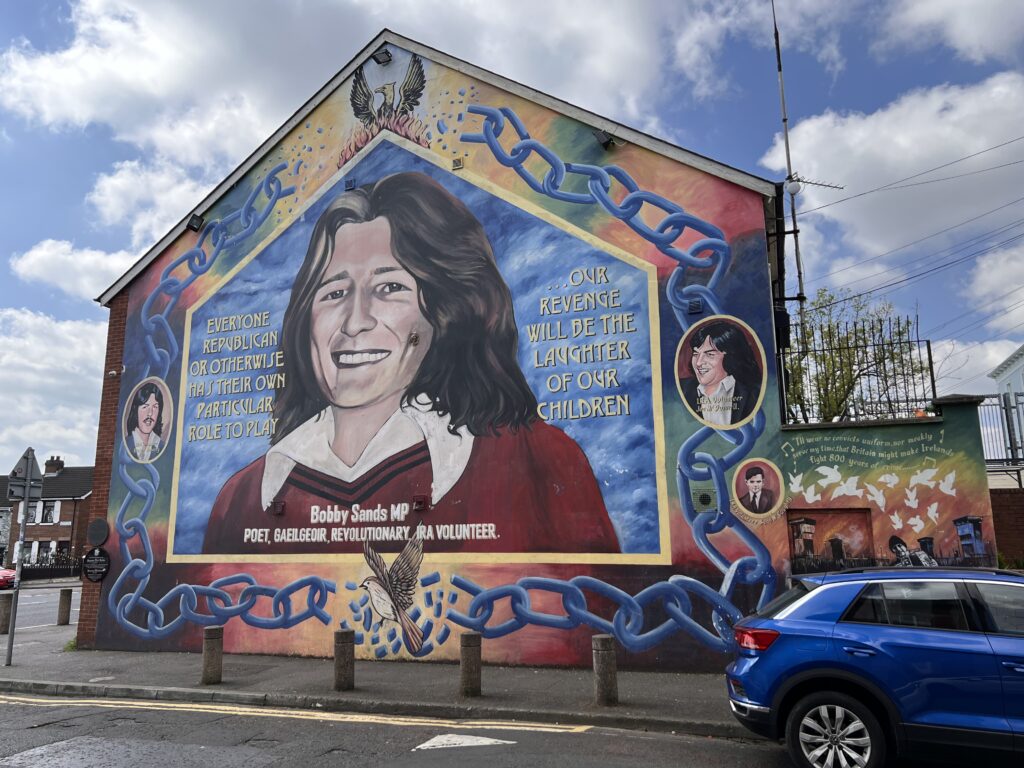
One face you will see in nearly every Catholic area is that of Bobby Sands, who led a hunger strike along with nine other IRA prisoners in the HM Maze prison to protest the treatment of political prisoners by the British Government. After Bobby Sands and the other prisoners died, IRA membership increased dramatically. To be honest, I could do an entire blog post just on Bobby Sands but googling him will bring you to the same information.
As with the Protestants (who you will see more about momentarily), the Catholic neighborhoods are filled with murals and memorials of those lost during the Troubles and beyond. The Troubles and their lingering legacy are ever present on nearly every block.
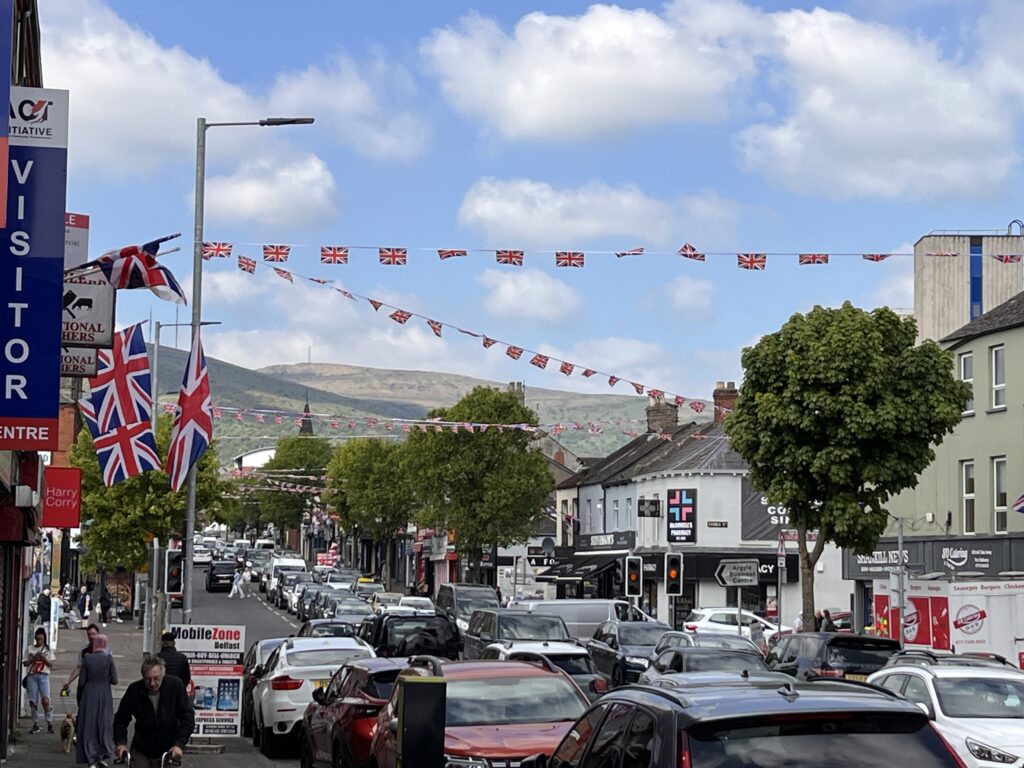
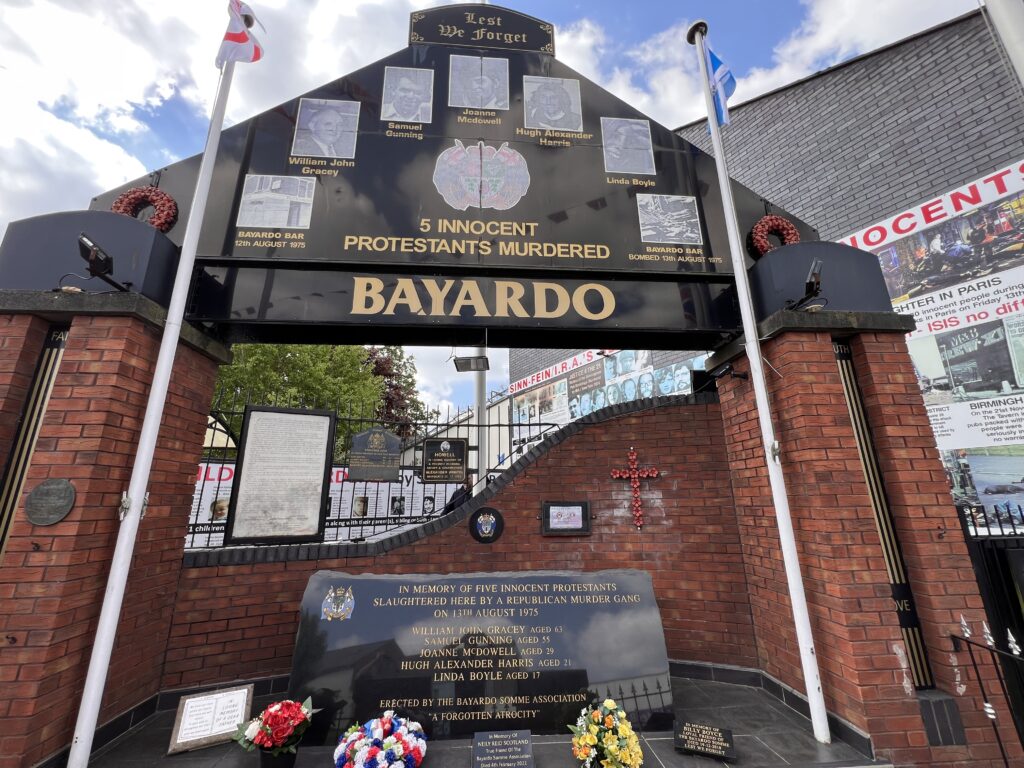
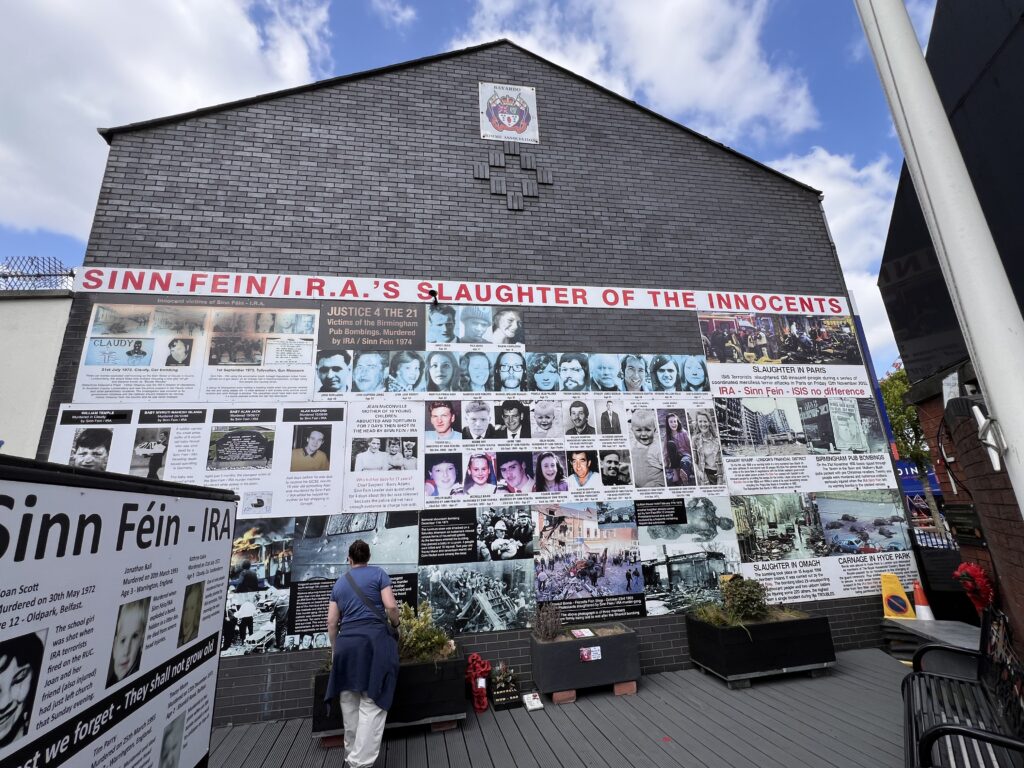
As we move over to the Protestant/Loyalist side of West Belfast and drive along the Shankill Road area, you immediately see the Union Jack of the British Government and people as you are now amongst those who would like to see Northern Ireland remain under British control. Driving up the Shankill Road, you come across a large political memorial to those killed by IRA attacks. The space is located on the site of what was a nightclub where an IRA attack on 13 August 1975 left five dead. This attack was in retaliation for the Miami Showband Massacre where members of the Ulster Volunteer Force, a loyalist paramilitary group, killed five people at a fake military checkpoint.
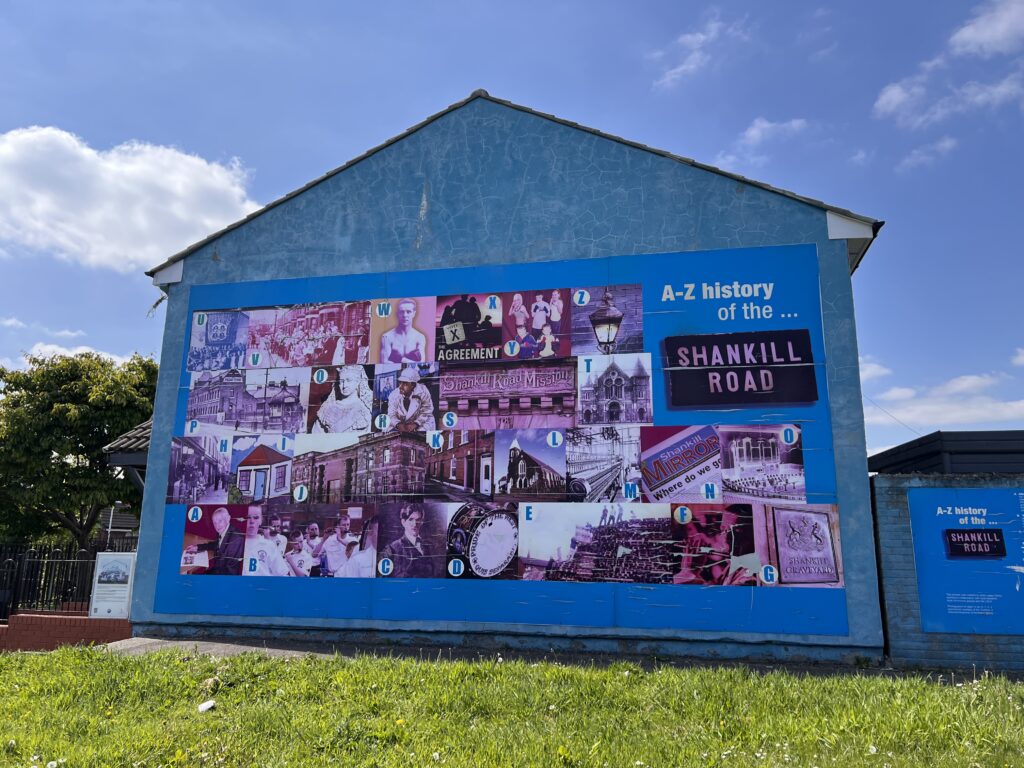
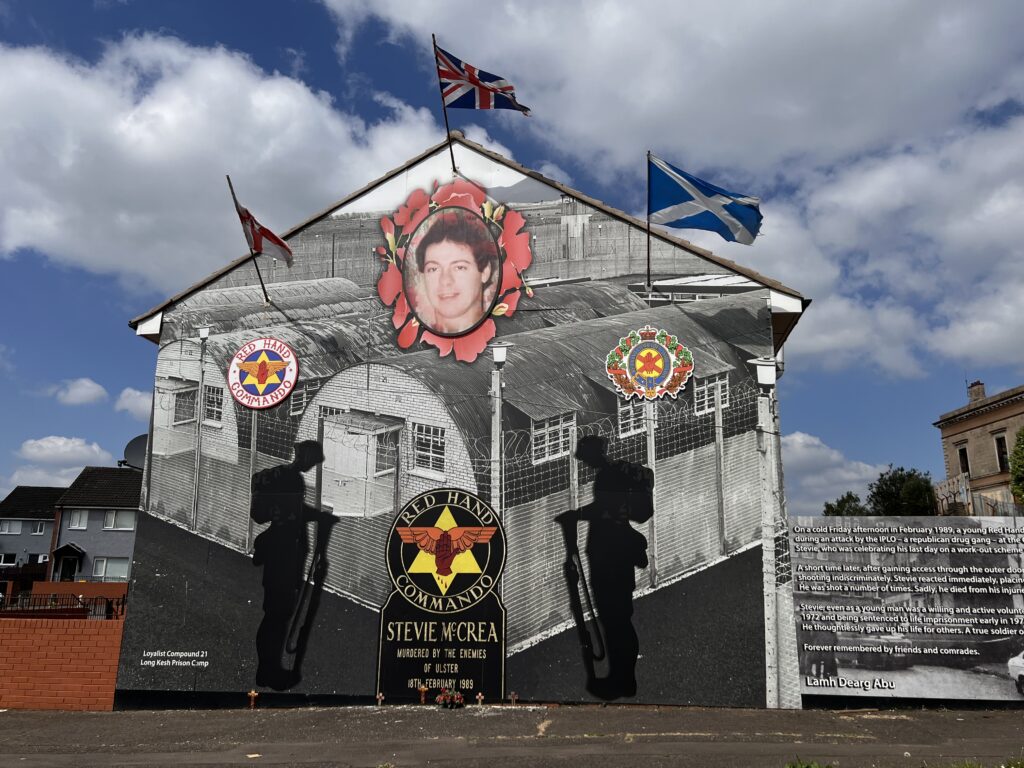
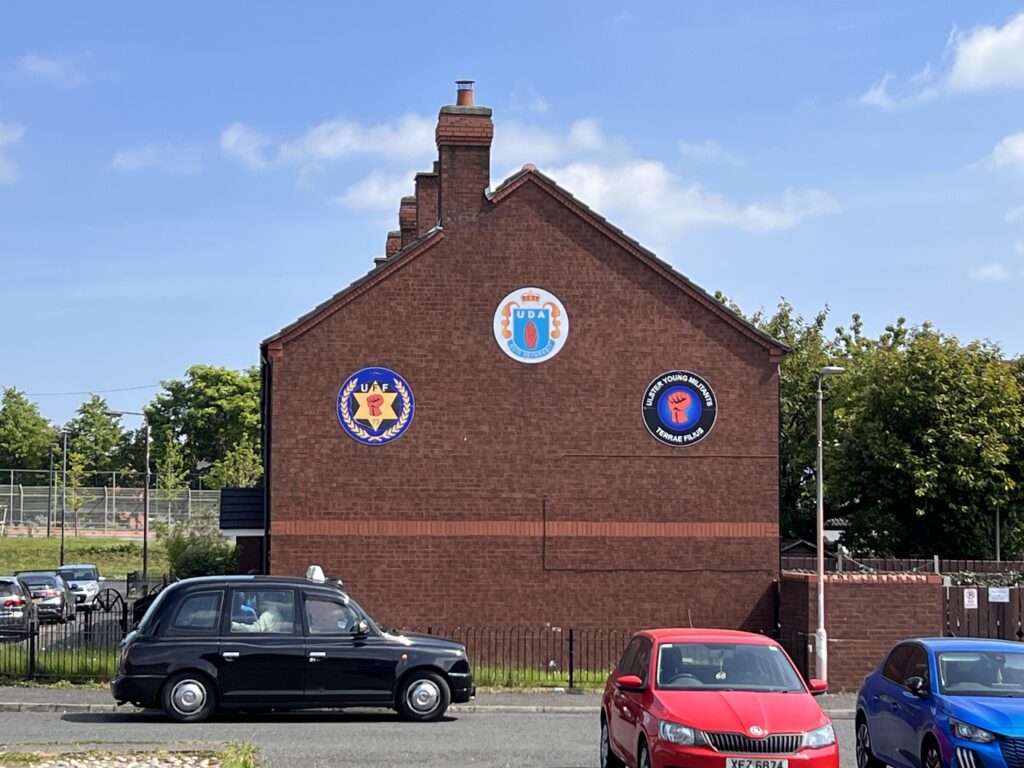
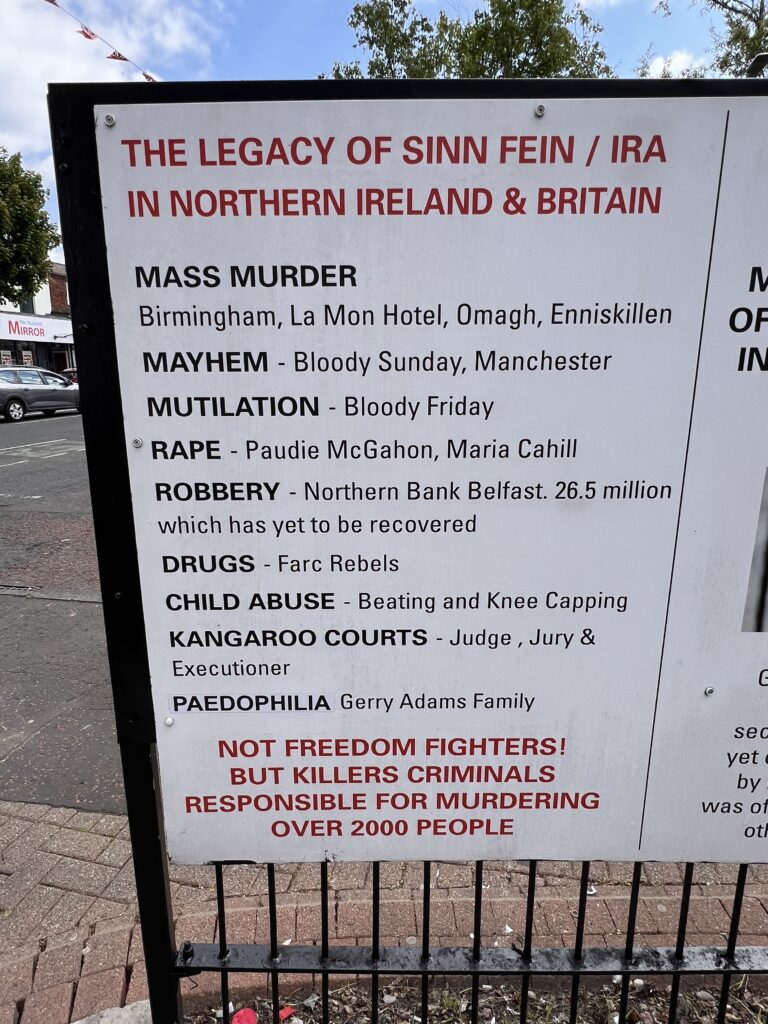
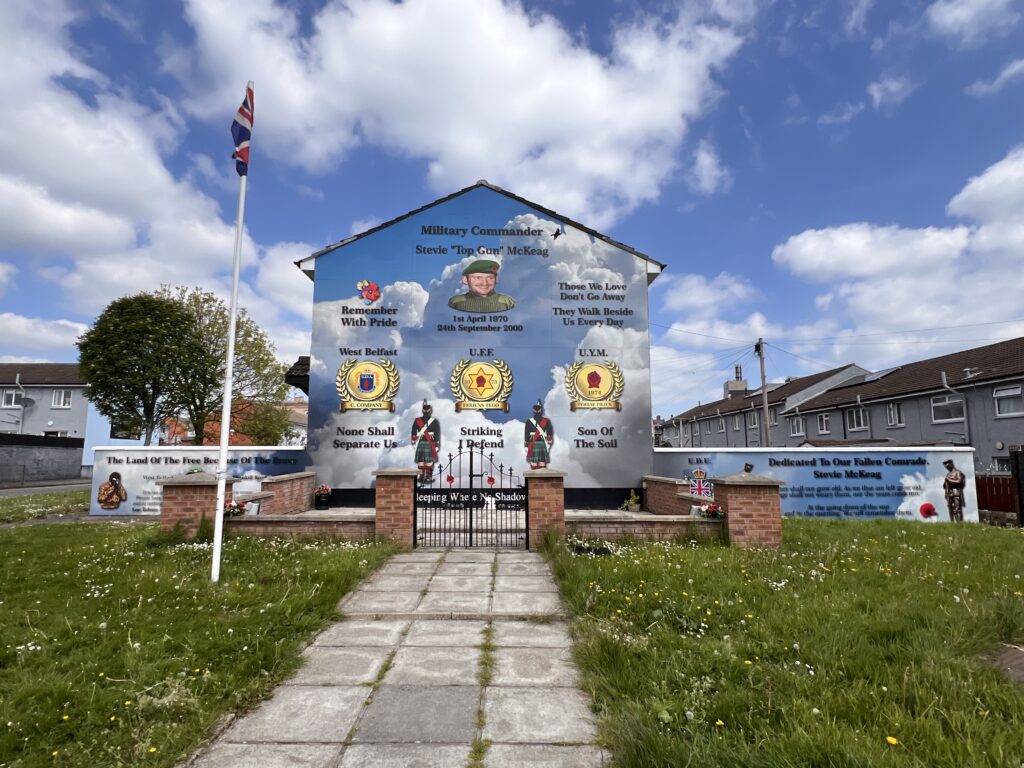
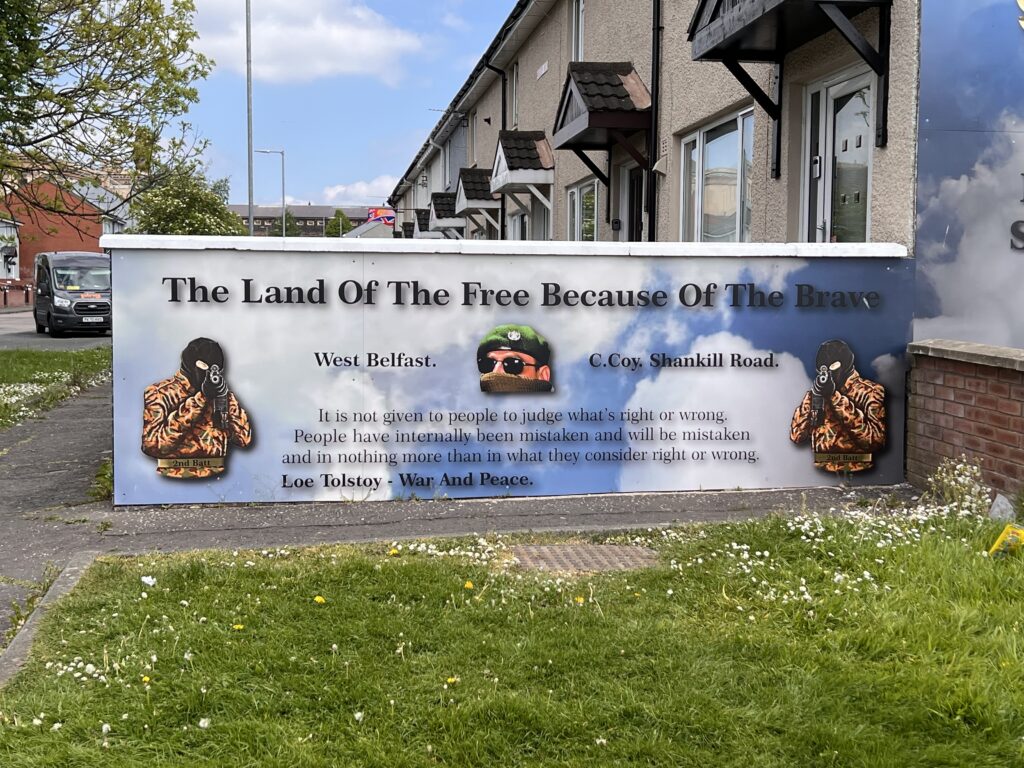
To be 100% honest, I found West Belfast and Derry both fascinating and a little sad. More so West Belfast because while they both have had years of fighting and tragedy, Belfast continues to separate themselves from one another and carry on a tradition of hatred for one another. Realize that Catholics and Protestants in West Belfast go to different schools, shop at different stores and play in separate sports leagues. Most children in West Belfast will either never meet kids their age from the other side of the Peace Walls or once they do, they’ve already been brought up to believe that a person is different or not good because of the household they were raised in. I can’t imagine having to make certain I’m home by a certain time every night because large gates will be closed to make sure we don’t get attacked by the other side. In recent years there had been a push to remove the Peace Wall but unfortunately, an overwhelming number of people do not feel comfortable, with some calling to make them even higher. On a bright note, there are stories coming out of Belfast about small groups of residents from both sides occasionally coming together to discuss their similarities and differences and strive to find a way forward. I asked about this when we were there, and our driver discussed with us that he is aware that it is happening but it is on such a small scale that, until larger numbers join the conversation, it will be hard to make any meaningful change.
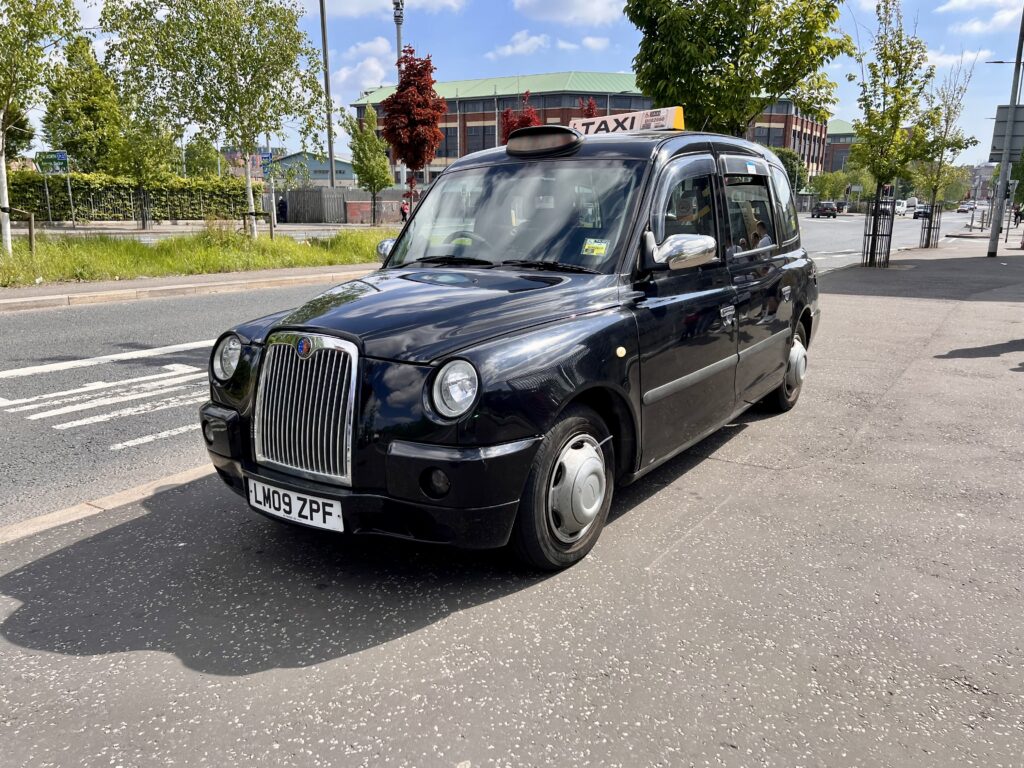
I truly enjoyed our very informative time in both Derry and Belfast and urge you to spend a couple of days in each city to delve into the history of the Troubles. I also highly recommend Black Cab Tours (http://cabtoursbelfast.com/) in Belfast as our driver did a great job of explaining West Belfast and his families experience growing up Catholic. This particular tour company has both Catholic and Protestant drivers and they make a point to present a balanced viewpoint. Our driver mentioned that he drives into Belfast to give these tours but that he moved out of the city so that his kids would grow up living in a more mixed environment.